Blog

  • Japan Visa for Indians 2026: Tourist Visa, Sticker Visa & Complete Application Guide

    Japan Visa for Indians 2026: Tourist Visa, Sticker Visa & Complete Application Guide

    Home › Visa Guides › Japan Visa for Indians 2026

    Japan Visa for Indians 2026: Tourist Visa, Sticker Visa & Complete Application Guide

    By Vismora Travel Experts  |  Updated: September 2026  |  12 min read

    Japan is unlike anywhere else in the world. Ancient temples and shrines standing beside ultramodern cities. Cherry blossom forests in spring and fiery maple leaves in autumn. Bullet trains that run on the second, a cuisine so refined it has more Michelin stars than any other country, and a culture of hospitality (omotenashi) that makes every visitor feel genuinely welcome. If Japan is on your travel list, this guide is your starting point.

    For Indian passport holders, Japan requires a visa — but the process is well-defined and manageable when you know exactly what to prepare. This guide covers everything: visa types, documents, fees, processing time, and what to expect at each step.

    Need Help with Your Japan Visa?

    Japan visa applications require careful document preparation. Vismora’s experts have helped hundreds of Indian travellers get their Japan sticker visa — we’ll make sure your application is submission-ready.

    📞 Call +91 8178055012 Apply via Vismora →

    Do Indians Need a Visa for Japan?

    Yes — Indian passport holders require a visa to travel to Japan. Japan does not offer an e-visa for Indian nationals; instead, you must obtain a Japan Sticker Visa from the Embassy of Japan in India or through a government-authorised travel agent. The application requires physical document submission and in-person processing, unlike many other countries.

    💡 Good News: Japan does not require an interview for Indian tourist visa applicants. Your documents are assessed, and the visa sticker is affixed to your passport. If your documents are in order, rejection rates are low.

    Types of Japan Visa for Indians

    Visa Type Purpose Validity Stay Allowed
    Single Entry Tourist VisaTourism, sightseeing3 months15 or 30 days
    Double Entry Tourist VisaTwo entries for tourism3 months30 days per entry
    Multiple Entry Tourist VisaFrequent travel to Japan3 or 5 years15 or 30 days per stay
    Business VisaBusiness meetings, trade3 months – 5 yearsVaries
    Transit VisaPassing through Japan15 days15 days

    Most Indian travellers apply for the Single Entry Tourist Visa with 30-day stay. If you plan to visit Japan regularly or are frequent flyer with prior Japan visit, you may qualify for a Multiple Entry Visa.

    Japan Tourist Visa Documents Required for Indians

    Japan has one of the more thorough document requirements among Asian destinations. Here’s the complete list:

    Mandatory Documents

    • Valid Indian passport — at least 6 months validity beyond intended stay, minimum 2 blank visa pages
    • Old passports — if any, to show travel history
    • Japan Visa Application Form — completed and signed (download from the Embassy of Japan in India website)
    • Passport-size photograph — 2 photos, white background, 4.5cm x 4.5cm, taken within last 6 months, no glasses
    • Flight itinerary — confirmed (or tentative) round-trip bookings with dates
    • Hotel/accommodation bookings — for all nights in Japan
    • Day-wise itinerary — a detailed travel plan for your Japan trip (very important for Japan visa)

    Financial Documents

    • Bank statements — last 3–6 months, showing sufficient funds (ideally ₹1 lakh+ balance)
    • Income tax returns — last 2–3 years (if salaried or self-employed)
    • Pay slips — last 3 months (if salaried)
    • Business registration / company letterhead — if self-employed

    Employment Documents

    • For salaried applicants: Leave letter from employer on company letterhead, HR approval, employee ID
    • For self-employed: Business registration certificate, GST certificate
    • For students: Bonafide certificate from institution
    • For retired persons: Pension statement or proof of income

    🧾 Vismora Tip: The Japan visa application is one of the most document-intensive in Asia. A day-wise itinerary that makes logical sense (airport → hotel → attractions) and hotel bookings that match your travel dates are critical. Vismora’s team reviews your complete document set before submission — call +91 8178055012.

    Japan Visa Fee for Indians 2026

    Visa Type Fee (INR approx.) Processing Time
    Single Entry Tourist (15 days)~₹800–₹1,0004–7 working days
    Single Entry Tourist (30 days)~₹1,600–₹2,0004–7 working days
    Double Entry Tourist~₹3,200–₹3,8004–7 working days
    Multiple Entry Tourist (3 years)~₹4,800–₹5,5005–10 working days

    Japan visa fees are charged at the prevailing JPY rate and converted to INR by the Embassy. The fee is paid at the time of submission and is non-refundable even if the visa is rejected.

    Japan Visa Processing Time for Indians

    Standard Japan visa processing takes 4–7 working days from the date of application submission at the Embassy or designated visa application centre. Plan to apply at least 3–4 weeks before your travel date to allow buffer time for document corrections if needed.

    ⚠️ Important: During peak seasons (March–April for cherry blossoms and October–November for autumn), processing times can stretch to 10–14 days due to high application volumes. Apply well in advance.

    How to Apply for Japan Visa from India

    Japan visa applications are submitted at the Embassy of Japan in India or through Japan Visa Application Service Centres (JVAC) operated by VFS Global in major Indian cities:

    • Delhi: Embassy of Japan, Shantipath, Chanakyapuri / VFS Global JVAC
    • Mumbai: Consulate-General of Japan / VFS Global JVAC
    • Chennai: Consulate-General of Japan
    • Bengaluru: VFS Global JVAC (Consulate jurisdiction)
    • Kolkata: Consulate-General of Japan

    Walk-ins may not always be available — check the JVAC or Embassy website for appointment availability in your city. You submit your documents in person, and collect your passport (with visa affixed) in person after processing.

    Ready to Apply for Your Japan Visa?

    Japan’s document checklist can feel overwhelming. Vismora’s visa specialists will review your complete document set, prepare your day-wise itinerary, and make sure everything is in order before you visit the embassy. No rejection risk from preventable errors.

    📞 Call +91 8178055012 Get Expert Help →

    Best Time to Visit Japan from India

    Season Months Highlight
    Spring (Sakura Season)Late March – AprilCherry blossoms — most iconic Japan experience
    Early SummerMay – JuneGreen landscapes, smaller crowds, wisteria blooms
    Autumn (Koyo Season)October – NovemberBrilliant red and gold maple leaves — second most popular season
    WinterDecember – FebruarySnow festivals, Hokkaido skiing, fewer crowds, lower prices

    Late March to April (cherry blossom season) and October–November (autumn foliage) are the peak periods for Indian visitors. Japan is beautiful year-round — summer festivals (Matsuri) and winter illuminations are equally magical.

    Top Places to Visit in Japan

    Tokyo — The World’s Greatest City

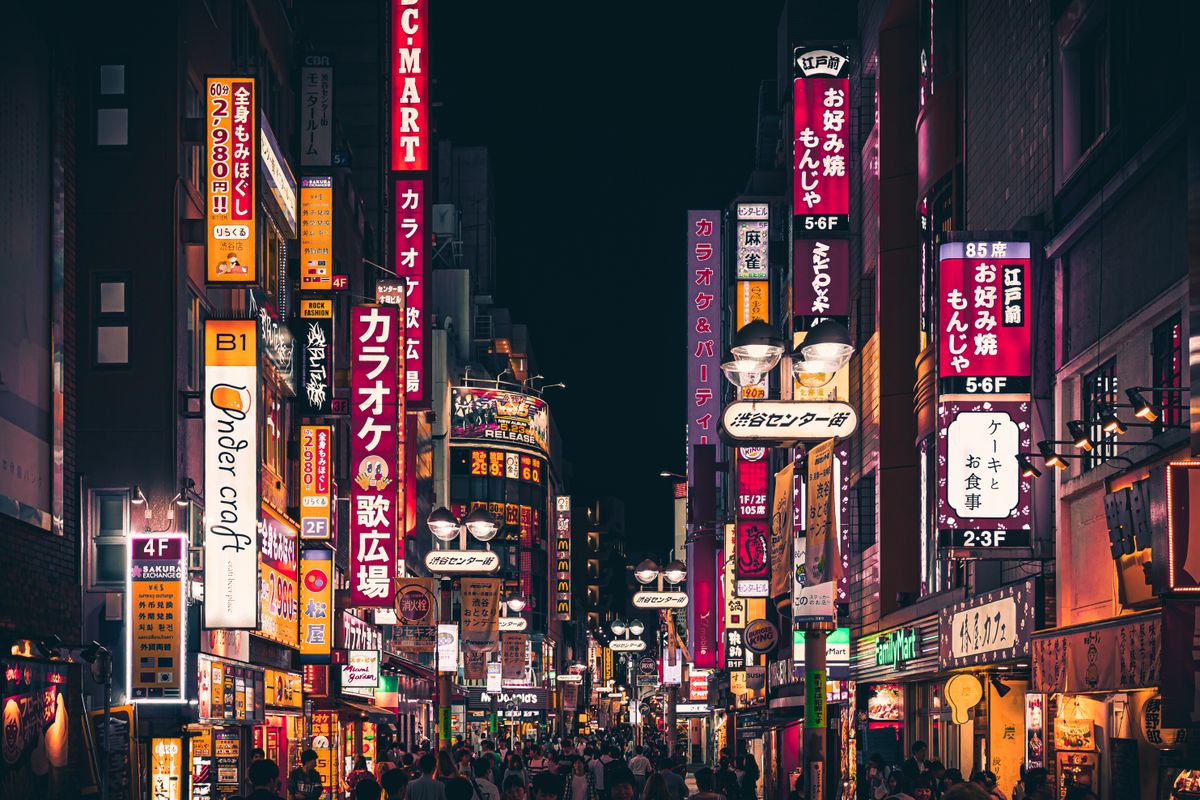
    Japan’s capital is a sensory overload in the best possible way. From the neon-lit streets of Shinjuku and Akihabara’s electronics markets to the serene Meiji Shrine and the trendy boutiques of Harajuku — Tokyo has something for everyone. Don’t miss teamLab Planets for one of the world’s most extraordinary digital art experiences.

    Kyoto — The Soul of Traditional Japan

    Japan’s ancient capital is home to over 1,600 temples, 400 shrines, 17 UNESCO World Heritage Sites, and endless traditional culture — from geisha districts (Gion) to bamboo groves (Arashiyama), golden pavilions (Kinkakuji), and tea ceremony experiences. Give yourself at least 3 full days.

    Osaka — Japan’s Food Capital

    Osaka is louder, more colourful, and more food-obsessed than Tokyo or Kyoto. Takoyaki (octopus balls), okonomiyaki, and ramen — Osaka’s street food alone justifies the trip. Add Dotonbori’s electric canal district and the magnificent Osaka Castle.

    Hiroshima & Miyajima

    A deeply moving destination — the Peace Memorial Park and Museum offer a sobering and important perspective, while the nearby island of Miyajima with its famous floating torii gate is hauntingly beautiful, especially at high tide.

    Hokkaido — For Nature Lovers

    Japan’s northernmost island is a world apart — lavender fields and dairy farms in summer, some of Japan’s best skiing and the famous Sapporo Snow Festival in winter. Hokkaido also has outstanding seafood and a very different, quieter character from the rest of Japan.

    India to Japan Flights

    • Air India operates direct flights from Delhi (DEL) to Tokyo Narita (NRT)
    • IndiGo, Singapore Airlines, ANA, JAL, Cathay Pacific offer excellent one-stop connections via Singapore, Hong Kong, or other hubs
    • Flight duration: ~8–9 hours direct from Delhi; 10–15 hours with stopover
    • Average return fare: ₹50,000–₹1,00,000+ from major Indian cities, depending on season and airline

    Japan Travel Budget for Indians

    Expense Budget Range (per day)
    Accommodation (mid-range hotel)₹5,000–₹14,000 / night
    Meals (mix of convenience store + restaurant)₹1,000–₹2,500 per day
    JR Pass / Local transport₹1,500–₹3,000 per day
    Sightseeing & entry tickets₹800–₹2,000 per day
    Total daily budget (comfortable)₹8,000–₹22,000

    💡 Money-Saving Tip: A Japan Rail Pass (JR Pass) gives unlimited travel on most Shinkansen (bullet trains) and JR trains across Japan — excellent value if you’re covering Tokyo → Kyoto → Osaka → Hiroshima. Buy it from India before you travel, as it’s significantly cheaper than purchasing in Japan.

    Frequently Asked Questions — Japan Visa for Indians

    1. Do Indians need a visa to visit Japan?
    Yes, Indian passport holders require a visa to enter Japan. Japan does not offer an e-visa for Indians — you must apply for a Japan sticker visa at the Embassy of Japan in India or at a Japan Visa Application Centre (VFS Global) in your city.
    2. How much is the Japan visa fee for Indians in 2026?
    The Japan single-entry tourist visa (30 days) costs approximately ₹1,600–₹2,000 at current exchange rates. Fees are collected in INR at the Embassy/JVAC and are non-refundable. A 15-day single-entry visa is around ₹800–₹1,000.
    3. How long does Japan visa processing take for Indians?
    Standard processing is 4–7 working days. During peak seasons (cherry blossom in March–April and autumn in October–November), it can take 10–14 days. Apply at least 3–4 weeks before your travel date.
    4. Is Japan visa easy to get for Indians?
    Japan visa approval rates for Indian tourists are relatively good when documents are complete and in order. The key is a thorough application — day-wise itinerary, hotel bookings, strong bank statements, and a valid employer letter. Incomplete applications are the main reason for delays or rejections.
    5. Can I visit Japan without visiting the Embassy — is there a Japan e-visa for Indians?
    As of 2026, Japan does not offer a standard e-visa system for Indian nationals. You must submit physical documents either at the Embassy of Japan in India or at a Japan Visa Application Centre (JVAC) operated by VFS Global. An authorised travel agent can submit on your behalf.
    6. How much bank balance is required for Japan visa for Indians?
    There’s no officially stated minimum, but visa officers typically look for sufficient funds to cover your entire trip. A bank balance of ₹1 lakh or more (ideally ₹1.5–2 lakh for a 10-day trip) and consistent transaction history are considered healthy. Sudden large deposits are viewed negatively.
    7. What is the best month to visit Japan for Indian tourists?
    Late March to early April (cherry blossom / sakura season) is the most iconic time to visit Japan. October–November (autumn foliage / koyo season) is a close second. Both periods are peak season — book flights and hotels well in advance and apply for your visa at least 4 weeks early.

    Are You a Travel Agent or OTA? Partner with Vismora

    Japan is one of the most requested international destinations from Indian travellers — and the visa documentation can be complex. Vismora’s B2B platform for travel agencies offers bulk Japan visa processing, complete document review, dedicated support, and real-time application tracking for all your clients.

    Become a Vismora Partner →

    Need help putting your visa documents together? Call +91 8178055012 or visit vismora.com — our team turns around applications fast.

    Ready to Apply? Let Vismora Handle It

    Skip the paperwork stress. Vismora’s visa experts review your documents, prepare your application, and guide you every step of the way — so your visa gets approved the first time.

    Or call us: +91 8178055012

    Travel Agents: Partner with Vismora

    We handle the visa processing so you can focus on selling packages. Fast turnaround, dedicated support, competitive rates. Join 500+ travel agents who trust Vismora.

    Partner helpline: +91 8178055012
  • Georgia Visa for Indians 2026: e-Visa, Requirements & Complete Travel Guide

    Georgia Visa for Indians 2026: e-Visa, Requirements & Complete Travel Guide

    Home › Visa Guides › Georgia Visa for Indians 2026

    Georgia Visa for Indians 2026: e-Visa, Visa-Free Rules, Requirements & Travel Guide

    By Vismora Travel Experts  |  Updated: September 2026  |  10 min read

    Georgia — the jewel of the Caucasus — is calling. Ancient monasteries perched on mountain cliffs, medieval cave cities, vineyard-draped valleys, a charming old Tbilisi with cobblestone streets and colourful balconies, and a coastal Black Sea resort scene — all in one compact country. And for Indian travellers, the access story is great: Georgia offers a relatively easy e-visa process that takes just a few days online.

    This complete guide covers everything you need to know about the Georgia visa for Indians in 2026 — types, fees, documents, how to apply, and essential travel tips.

    Need Help with Your Georgia Visa?

    Vismora’s visa experts handle your e-visa application from start to finish — documents, forms, tracking. You plan Tbilisi, we handle the paperwork.

    📞 Call +91 8178055012 Apply via Vismora →

    Do Indians Need a Visa for Georgia?

    Indian passport holders require a visa to enter Georgia. The good news is that Georgia offers a user-friendly e-visa system through the official government portal (evisa.gov.ge) that can be processed entirely online without any embassy visit. Georgia does not offer an on-arrival visa option for Indian nationals as a standard rule — the e-visa must be obtained before travel.

    💡 Good News: If you hold a valid US, UK, EU Schengen, or other approved country visa or residence permit, Georgia may allow you visa-free entry for short stays. This is subject to policy changes — always verify before travel. For Indian passports alone, the e-visa is the standard route.

    Types of Georgia Visa for Indians

    Visa Type Purpose Validity Stay Allowed
    Tourist e-Visa (Category B)Tourism, family visit, transit120 days from issue30 days
    Business e-Visa (Category B)Business meetings, conferences120 days from issue30 days
    Work/Student Visa (Embassy)Employment, study, long-stayVariesAs per category

    Georgia e-Visa: Step-by-Step Application Process

    1. Go to the official portal: Visit evisa.gov.ge — the only official Georgian government e-visa site
    2. Choose visa type: Select “Ordinary Visa – Category B” for tourist travel
    3. Enter your personal details: Name (exactly as in passport), date of birth, nationality, passport number
    4. Upload your documents: Passport scan, photo, travel itinerary, hotel booking
    5. Pay the visa fee: USD $20 via credit/debit card
    6. Receive your e-visa: By email within 5 working days (often 2–3 days)
    7. Travel with your e-visa printed: Present it along with your passport at the Georgian border

    ⚠️ Warning: Multiple unofficial websites charge ₹3,000–₹8,000 for the same Georgia e-visa that costs just $20 (~₹1,700) on the official portal. Only apply at evisa.gov.ge.

    Georgia Visa Documents Required for Indians

    • Valid Indian passport — minimum 6 months validity beyond your intended stay; at least one blank page
    • Recent passport-size photograph — white background, JPEG format, taken within the last 6 months
    • Travel itinerary — confirmed or tentative flight bookings to and from Georgia
    • Hotel booking or accommodation proof — hotel confirmation, Airbnb, or invitation letter from a host in Georgia
    • Proof of sufficient funds — recent bank statement (last 3 months)
    • Valid email address — your e-visa will be sent here
    • Payment method — Visa, Mastercard, or Amex for the $20 fee

    🧾 Vismora Tip: The most common reason for Georgia e-visa delays is a name mismatch between the application and passport. Double-check every field carefully. Call us at +91 8178055012 if you want us to review your application before submission.

    Georgia Visa Fee for Indians 2026

    Visa Type Official Fee (USD) Approx. INR Processing Time
    Tourist e-Visa (Category B)$20~₹1,7005 working days
    Business e-Visa (Category B)$20~₹1,7005 working days

    Best Time to Visit Georgia from India

    Season Months Weather Best For
    SpringApril – June18–26°C, fresh and greenTbilisi, Kazbegi, wine country, hiking
    SummerJuly – August28–35°C, hot in TbilisiBatumi Black Sea coast, mountain regions
    AutumnSeptember – November15–24°C, harvest seasonWine harvest, Kakheti, all sightseeing
    WinterDecember – March0–10°C, snow in mountainsSkiing at Gudauri, Bakuriani

    Ready to Apply for Your Georgia Visa?

    Talk to a Vismora visa expert today. We check your documents, fill the form correctly, and track your application — so you get your e-visa without stress.

    📞 Call +91 8178055012 Start My Application →

    Top Places to Visit in Georgia

    Tbilisi — Where History Meets Hip

    Georgia’s capital is endlessly walkable — Old Town (Altubani) with its distinctively carved wooden balconies and sulphur baths, the modern Rike Park and the Bridge of Peace, Narikala Fortress towering above the city, and a vibrant food and wine scene. Take the cable car up to Narikala for a panoramic city view.

    Kazbegi — Dramatic Mountain Majesty

    Kazbegi (Stepantsminda) is home to the iconic Gergeti Trinity Church perched at 2,170m with the snow-capped Mount Kazbek (5,047m) as its backdrop — one of the most photographed scenes in all of Georgia. The drive from Tbilisi along the Georgian Military Highway is spectacular.

    Kakheti — Georgia’s Wine Soul

    Georgia is one of the world’s oldest wine-producing regions (8,000 years of winemaking history). Kakheti is the heartland — visit the town of Sighnaghi, ancient monasteries like Alaverdi, and wine cellars for traditional qvevri wine tastings.

    Batumi — The Black Sea Resort

    Georgia’s second city is a buzzing Black Sea resort town with a palm-lined Boulevard, modern architecture, lively nightlife, and beaches. A popular getaway from Tbilisi and an easy add-on to any Georgia itinerary.

    Vardzia — The Ancient Cave City

    Carved into the cliffs of the Erusheti Mountain in the 12th century, Vardzia is a monumental cave monastery with over 300 rooms across 13 levels. One of Georgia’s most extraordinary archaeological sites.

    India to Georgia Flights

    • Direct flights: IndiGo operates direct flights from Delhi to Tbilisi on select days
    • Connecting flights: Emirates (via Dubai), Flydubai, Air Arabia, Turkish Airlines (via Istanbul), and Qatar Airways all offer connections to Tbilisi (TBS)
    • Flight duration: ~5 hours direct from Delhi; 8–12 hours with a stopover
    • Average return fare: ₹35,000–₹70,000 from Delhi or Mumbai depending on season

    Georgia Travel Budget for Indians

    Expense Budget Range (per day)
    Accommodation (mid-range Tbilisi)₹2,500–₹6,500 / night
    Meals (local Georgian restaurants)₹400–₹1,000 per meal
    Local transport₹200–₹700 per day
    Wine tastings & activities₹500–₹1,500 per day
    Total daily budget (comfortable)₹4,000–₹10,000

    Georgia Entry Requirements Checklist for Indians

    • ✅ Valid Indian passport (6+ months validity)
    • ✅ Georgia e-Visa (Category B) — obtained before travel
    • ✅ Printed e-Visa copy (required at border)
    • ✅ Return or onward flight tickets
    • ✅ Hotel or accommodation booking
    • ✅ Bank statement or proof of sufficient funds
    • ✅ Travel insurance (strongly recommended)

    Frequently Asked Questions — Georgia Visa for Indians

    1. Do Indians need a visa for Georgia (the country)?
    Yes, Indian passport holders need a visa for Georgia (the Caucasus country, not the US state). The most convenient option is the online e-Visa (Category B) at evisa.gov.ge — $20 fee, 2–5 working days processing.
    2. How much is the Georgia visa fee for Indians?
    The Georgia tourist e-Visa (Category B) costs USD $20 (approximately ₹1,700) on the official government portal. Additional service charges apply if you use a visa processing service.
    3. Can Indians get Georgia Visa on Arrival?
    India is not on Georgia’s Visa on Arrival eligible list. Indian nationals must apply for the e-Visa before departure through evisa.gov.ge. Do not travel without a pre-approved visa.
    4. How long can Indians stay in Georgia on a tourist e-Visa?
    The Category B Tourist e-Visa allows a stay of up to 30 days per visit. The visa is valid for 120 days from issue, giving you flexibility on entry timing.
    5. Is Georgia a good destination for Indian tourists?
    Absolutely. Georgia offers ancient history, breathtaking mountain scenery, a world-class food and wine culture, affordable prices, and extremely warm hospitality. It’s growing rapidly in popularity with Indian travellers seeking an alternative to Europe.
    6. What currency is used in Georgia?
    Georgia’s currency is the Georgian Lari (GEL). Exchange INR to USD in India, then convert to GEL at exchange counters in Tbilisi (better rates than airport). ATMs are plentiful throughout the city.
    7. Do I need travel insurance for Georgia?
    Georgia does not mandate travel insurance for the e-Visa. However, Vismora strongly recommends comprehensive travel insurance covering medical expenses, trip cancellation, and baggage loss — especially for mountain activities.

    Are You a Travel Agent or OTA? Partner with Vismora

    Vismora is India’s B2B visa processing platform for travel companies. If your agency handles Georgia e-Visa applications for clients, our platform gives you bulk processing, real-time tracking, document checklists, and competitive pricing with a dedicated relationship manager.

    Become a Vismora Partner →

    Need help putting your visa documents together? Call +91 8178055012 or visit vismora.com — our team turns around applications fast.

    Ready to Apply? Let Vismora Handle It

    Skip the paperwork stress. Vismora’s visa experts review your documents, prepare your application, and guide you every step of the way — so your visa gets approved the first time.

    Or call us: +91 8178055012

    Travel Agents: Partner with Vismora

    We handle the visa processing so you can focus on selling packages. Fast turnaround, dedicated support, competitive rates. Join 500+ travel agents who trust Vismora.

    Partner helpline: +91 8178055012
  • Azerbaijan Visa for Indians 2026: ASAN e-Visa, Requirements & Complete Travel Guide

    Azerbaijan Visa for Indians 2026: ASAN e-Visa, Requirements & Complete Travel Guide

    Home › Visa Guides › Azerbaijan Visa for Indians 2026

    Azerbaijan Visa for Indians 2026: ASAN e-Visa, Requirements & Complete Travel Guide

    By Vismora Travel Experts  |  Updated: September 2026  |  10 min read

    Planning a trip to Baku or the Caucasus? Great choice. Azerbaijan — the Land of Fire — is one of Central Asia’s most underrated travel destinations, offering ancient walled cities, Caspian Sea beaches, dramatic mountain landscapes, and a cosmopolitan capital that blends East and West beautifully. The even better news: as an Indian passport holder, getting your Azerbaijan visa is straightforward and fully online.

    This guide covers everything you need — from the ASAN e-visa process and documents to fees, processing time, and must-know travel tips for 2026.

    Need Help with Your Azerbaijan Visa?

    Vismora’s visa experts handle the entire application — documents, forms, tracking — so you can focus on planning your Baku trip.

    📞 Call +91 8178055012 Apply via Vismora →

    Can Indians Get an Azerbaijan Visa?

    Yes — Indian passport holders are required to have a visa to travel to Azerbaijan. However, the great news is that Azerbaijan offers a very smooth e-visa (ASAN Visa) that you can apply for entirely online from India, without visiting an embassy. There are no complex appointment queues or document submission trips — just an online form, a few documents, and a wait of 3 business days.

    💡 Quick Tip: “ASAN” means “easy” in Azerbaijani — and the visa process truly lives up to that name. Indian travellers consistently rate it as one of the simplest e-visa processes in the region.

    Types of Azerbaijan Visa for Indians

    Visa TypePurposeValidityStay Allowed
    ASAN e-Visa (Tourist)Tourism, leisure, sightseeing90 days from issue30 days
    Business e-VisaBusiness meetings, conferences90 days from issue30 days
    Visa on ArrivalEmergency travel (limited countries)On arrival30 days
    Embassy VisaLong-stay, student, workVariesAs per category

    For most Indian travellers, the ASAN Tourist e-Visa is the best and simplest option. It allows you to stay up to 30 days and is valid for 90 days from the date of issue, giving you flexibility on your travel dates.

    Azerbaijan ASAN e-Visa: Step-by-Step Process

    The ASAN Visa portal (evisa.gov.az) is managed by the Azerbaijani government and is available in English. Here’s how to apply:

    1. Visit the official ASAN Visa portal at evisa.gov.az
    2. Select your nationality (Indian) and visa category (Tourist or Business)
    3. Fill in your personal details — name, date of birth, passport number, travel dates
    4. Upload required documents — passport scan, photo, and supporting documents
    5. Pay the visa fee online (credit/debit card accepted)
    6. Receive your e-visa by email within 3 business days (can be as fast as 24 hours)
    7. Print your e-visa and carry it along with your passport when you travel

    ⚠️ Important: Only use the official government portal evisa.gov.az for your application. Avoid third-party websites that charge much higher fees for the same service.

    Azerbaijan Visa Documents Required for Indians

    • Valid Indian passport — with at least 3 months validity beyond your intended departure date from Azerbaijan, and at least one blank visa page
    • Passport-size photograph — recent photo (taken in last 6 months), white background, 35mm x 45mm, JPEG format under 100KB
    • Completed online application form — filled accurately on the ASAN Visa portal
    • Travel itinerary — flight bookings (can be tentative) and hotel reservations
    • Proof of accommodation — hotel confirmation or host’s address in Azerbaijan
    • Valid email address — for visa delivery (your e-visa will be emailed to you)
    • Payment card — Visa, Mastercard, or Amex for fee payment

    🧾 Vismora Tip: Getting the photo exactly right (size, background, recency) is one of the most common reasons applications get delayed. If you’re unsure, we can help you check your documents before submission — call us at +91 8178055012.

    Azerbaijan Visa Fee for Indians 2026

    Visa TypeProcessing TimeFee (USD)Approx. INR
    Tourist e-Visa (Standard)3 business days$20~₹1,700
    Tourist e-Visa (Express)3 hours$40~₹3,400
    Business e-Visa (Standard)3 business days$20~₹1,700
    Business e-Visa (Express)3 hours$40~₹3,400

    Azerbaijan Visa Processing Time for Indians

    The official processing time for the ASAN Tourist e-Visa is 3 business days for standard processing and 3 hours for express. In practice, many Indian applicants receive their e-visa within 24–48 hours even on the standard track.

    We recommend applying at least 7–10 days before travel to be safe, especially if your travel dates are during peak season (April–June and September–October in Baku).

    Azerbaijan Visa on Arrival for Indians: Is It Available?

    As of 2026, India does not appear on Azerbaijan’s Visa on Arrival (VoA) eligible countries list for direct application at the airport. Indian passport holders are strongly advised to obtain the ASAN e-Visa before travel. Attempting to enter without prior visa approval may result in denial of boarding or entry.

    ⚠️ Do not rely on Visa on Arrival if you hold an Indian passport. Always apply for your ASAN e-Visa in advance through the official portal or with the help of a visa service like Vismora.

    Best Time to Visit Azerbaijan

    SeasonMonthsWeatherBest For
    SpringApril – JuneMild (15–25°C)Baku city tours, Gobustan, outdoor sightseeing
    SummerJuly – AugustHot (30–38°C)Caspian Sea beaches, mountain resorts like Shahdag
    AutumnSeptember – OctoberWarm (18–28°C)Ideal for all sightseeing, festivals, food tours
    WinterNovember – MarchCold (2–10°C, snow in mountains)Skiing at Shahdag, Novruz festival in March

    Ready to Apply for Your Azerbaijan Visa?

    Our visa experts will handle your ASAN e-Visa application end-to-end — documents, form filling, status tracking — and ensure you’re travel-ready. No embassy visits, no hassle.

    📞 Call +91 8178055012 Start Your Application →

    Top Places to Visit in Azerbaijan

    Baku — The City That Never Sleeps

    Azerbaijan’s capital is a striking contrast of ultramodern architecture (think the flame-shaped Heydar Aliyev Center and Flame Towers) and ancient history (the UNESCO-listed Old City with its 12th-century walls). Stroll the Baku Boulevard along the Caspian Sea, shop at Taza Bazaar, and catch the nightly fire show at Flame Towers.

    Gobustan — Mud Volcanoes and Rock Art

    About 65 km from Baku, Gobustan is home to ancient rock carvings (petroglyphs) and the famous mud volcanoes — a surreal landscape unlike anything in India. It’s a day trip that many visitors call the highlight of their Azerbaijan trip.

    Shahdag Mountain Resort

    For those who love the mountains, Shahdag in the Greater Caucasus offers skiing in winter and hiking, zip-lining, and alpine scenery in summer. The Quba region nearby is also known for its apple orchards and carpet weaving villages.

    Sheki — The Silk Road Gem

    This historic town in northwestern Azerbaijan was once a major stop on the Silk Road. Visit the stunning Khan’s Palace (Sheki Khan Sarayi), with its extraordinary stained-glass windows (shebeke), and try local piti stew and pakhlava sweets.

    India to Azerbaijan Flights

    • IndiGo operates direct flights from Delhi (DEL) and Mumbai (BOM) to Baku on select days
    • Air Arabia, Flydubai, Qatar Airways and other carriers offer one-stop connections via Dubai, Doha, or Abu Dhabi
    • Flight duration: ~5.5–6 hours direct; 7–10 hours with a stopover
    • Average return fare: ₹30,000–₹60,000 from major Indian cities depending on season and booking window

    Azerbaijan Travel Budget for Indians

    ExpenseBudget Range (per day)
    Accommodation (mid-range hotel, Baku)₹2,500–₹6,000 / night
    Local meals (restaurant)₹400–₹900 per meal
    Local transport (metro, taxi)₹200–₹600 per day
    Sightseeing (entry tickets)₹300–₹800 per day
    Total daily budget (comfortable)₹4,000–₹9,000

    Azerbaijan Entry Requirements for Indians — Key Checklist

    • ✅ Valid Indian passport (3+ months validity beyond travel)
    • ✅ ASAN e-Visa (applied and approved before departure)
    • ✅ Printed copy of e-visa (carry it physically)
    • ✅ Return/onward flight tickets
    • ✅ Hotel booking or accommodation proof
    • ✅ Sufficient funds for stay
    • ✅ Travel insurance (strongly recommended)

    Frequently Asked Questions — Azerbaijan Visa for Indians

    1. Do Indians need a visa to visit Azerbaijan?
    Yes, Indian passport holders require a visa to enter Azerbaijan. The easiest option is the ASAN e-Visa, which can be applied for online at evisa.gov.az without any embassy visit.
    2. How long does the Azerbaijan e-Visa take for Indian applicants?
    Standard processing takes 3 business days. Express processing takes approximately 3 hours but costs double ($40 vs $20). Most standard applicants receive their visa within 24–48 hours.
    3. How much does the Azerbaijan visa cost for Indians in 2026?
    The standard ASAN Tourist e-Visa costs USD $20 (approximately ₹1,700). Express processing is $40 (approximately ₹3,400). These are the official government fees.
    4. Can I get Azerbaijan Visa on Arrival with an Indian passport?
    As of 2026, India is not on the Visa on Arrival eligible list for Azerbaijan. Indian travellers must apply for an ASAN e-Visa before departure. Do not attempt to travel without prior visa approval.
    5. Is Azerbaijan safe for Indian tourists?
    Yes — Azerbaijan is considered safe for tourists, including Indian visitors. Baku is a modern city with good infrastructure and a welcoming attitude toward tourists. Standard travel precautions apply.
    6. What is the currency in Azerbaijan and is it easily exchangeable?
    Azerbaijan’s currency is the Azerbaijani Manat (AZN). Best to exchange INR to USD or EUR in India first, then convert to AZN in Baku. ATMs are widely available in Baku city.
    7. Can I extend my Azerbaijan tourist visa from inside the country?
    Generally, ASAN e-Visas cannot be extended from within Azerbaijan. If you wish to stay longer, you need to exit the country and reapply, or apply for a long-stay visa through the Azerbaijan Embassy before your trip.

    Are You a Travel Agent or OTA? Partner with Vismora

    Vismora is a B2B visa processing platform for travel companies across India. If you run a travel agency, OTA, or tour operator and regularly send clients to Azerbaijan or other international destinations, our platform gives you bulk visa processing, real-time tracking, document checklists, and competitive pricing.

    Become a Vismora Partner →

    Need help putting your visa documents together? Call +91 8178055012 or visit vismora.com — our team turns around applications fast.

    Ready to Apply? Let Vismora Handle It

    Skip the paperwork stress. Vismora’s visa experts review your documents, prepare your application, and guide you every step of the way — so your visa gets approved the first time.

    Or call us: +91 8178055012

    Travel Agents: Partner with Vismora

    We handle the visa processing so you can focus on selling packages. Fast turnaround, dedicated support, competitive rates. Join 500+ travel agents who trust Vismora.

    Partner helpline: +91 8178055012
  • Singapore Visa for Indians 2026: Fees, Documents & Complete Guide

    Singapore Visa for Indians 2026: Fees, Documents & Complete Guide

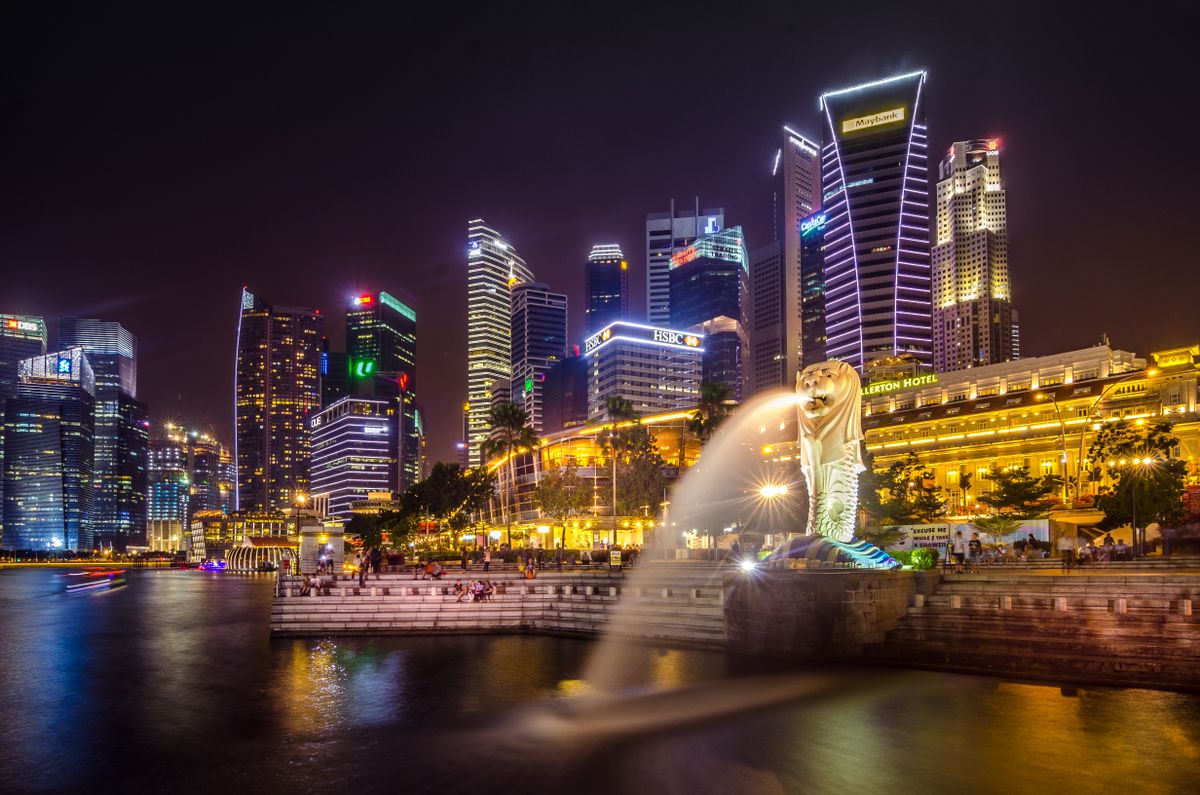
    Singapore is India’s most popular international destination — and for good reason. The city-state packs world-class food, Universal Studios, Marina Bay Sands, pristine gardens, and seamless connectivity all into a four-day trip that works for families, couples, and corporate travellers alike. If you are an Indian passport holder planning a Singapore trip, you will need a Singapore visa before you board your flight. Unlike many countries that have introduced visa-on-arrival for Indians, Singapore still requires a pre-approved visa — and here is the critical detail most travellers miss: Indians cannot apply for a Singapore visa directly through the ICA website. The application must go through a licensed travel agent or a local sponsor in Singapore. This guide covers everything you need to know: visa types, fees, documents, processing time, and how to get your Singapore visa approved smoothly in 2026.

    Singapore Visa Types for Indian Passport Holders

    Singapore’s Immigration & Checkpoints Authority (ICA) issues different visa categories depending on the purpose of your travel. For Indian tourists, the most common type is the tourist visa, officially processed as a Visit Pass. Here is a summary of the visa categories relevant to Indian travellers in 2026:

    Visa TypePurposeStay AllowedValidityApprox. Fee (₹)
    Tourist Visa — Single EntryHoliday, sightseeingUp to 30 days60 days from issue₹2,100–2,500
    Tourist Visa — Multiple EntryMultiple trips within validity30 days per visit60 days from issue₹4,000–5,000
    Business VisaMeetings, conferences, B2B visitsUp to 30 days60 days from issue₹2,100–2,500
    Transit VisaLayover, onward connectionUp to 96 hoursTransit only₹1,500–2,000

    Fees shown above are indicative and include the ICA visa fee (SGD 30 for most categories) plus the licensed agent’s service charge. The exact fee can vary slightly depending on the processing channel and agent.

    ⚠ Important: The Singapore visa you receive is an electronic authorisation, but the actual duration of stay is decided by the Immigration Officer at the point of entry. Always carry your complete document set even after visa approval.

    Documents Required for Singapore Visa from India

    The Singapore visa application requires a clean, well-organised document set. ICA evaluates the strength of your financial profile and the genuineness of your travel intent. Below is the standard document checklist for an Indian tourist applying for a Singapore visa in 2026:

    Mandatory Documents

    • Passport: Original passport with minimum 6 months validity beyond your intended travel dates, and at least 2 blank pages
    • Passport-size photographs: 2 recent colour photographs, white background, 35mm x 45mm
    • Visa application form: Completed Form 14A, submitted through the ICA portal by a licensed agent on your behalf
    • Flight itinerary: Confirmed round-trip booking or dummy tickets showing entry and exit from Singapore
    • Hotel booking confirmation: For the full duration of your stay in Singapore
    • Travel itinerary: Day-by-day plan of activities in Singapore

    Financial and Employment Documents

    • Bank statements: Last 3 to 6 months of savings account statements showing adequate balance (minimum ₹50,000–75,000 recommended for a 5–7 day trip)
    • Income Tax Returns (ITR): Last 2 years of filed ITR or Form 16
    • Salary slips: Last 3 months (for salaried applicants)
    • Business registration certificate: GST certificate or firm registration (for self-employed applicants)
    • Employment letter: Letter from employer confirming leave approval and your return to the job (for salaried applicants)

    Additional Documents (if applicable)

    • Previous visa stamps or international travel history — increases approval chances significantly
    • Marriage certificate and spouse’s documents if applying as a couple or family
    • School leave letter for student travellers
    • Proof of property ownership — adds credibility by showing strong ties to India
    ✔ Pro Tip: Singapore visa approvals have become stricter for first-time international travellers. If you have no prior travel history, make sure your financial documents are robust — clean bank statements with a consistent balance, 2 years of ITR, and a well-drafted cover letter explaining your trip can make a significant difference to the outcome.

    Singapore Visa Processing Time for Indians in 2026

    Singapore visa processing is typically faster than many other international destinations. Under normal conditions, a Singapore tourist visa for Indians is processed in 3 to 5 working days from the date of submission. During peak travel seasons — December–January, April–May, and school holidays — it is advisable to apply at least 10–15 days before your departure date.

    There is no official express or urgent processing category for Singapore visas, unlike some other countries. However, well-organised applications with complete documents tend to clear faster. Incomplete applications are returned for resubmission, which can delay processing by several additional days.

    Application ScenarioTypical Processing TimeRecommended Lead Time
    Complete application, standard season3–5 working days10 days before travel
    Complete application, peak season5–7 working days15–20 days before travel
    Incomplete or returned application7–12 working daysApply early, resubmit quickly
    First-time applicants with thin travel history5–8 working days15 days before travel

    Ready to apply for your Singapore visa?

    Talk to a Vismora visa expert today. We handle the paperwork — you plan the trip.

    📲 Leave your number & we’ll call you: vismora.com/auth/signup

    Why Do Indians Need a Licensed Agent for Singapore Visa?

    This is one of the most frequently asked questions about Singapore visa applications from India. Unlike countries such as the UK or USA where you can apply directly through the embassy or consulate website, Indian nationals must apply for a Singapore visa through a licensed travel agent or a local sponsor in Singapore. This is a requirement set by ICA — Immigration & Checkpoints Authority of Singapore — and applies to all Indian passport holders.

    In practice, this means:

    • You cannot submit Form 14A yourself through the ICA SAVE portal — only licensed agents have access
    • The submitting agent takes responsibility for the accuracy of your application
    • Choosing a reliable, experienced agent is therefore not just convenient — it is a requirement
    • An agent who knows ICA’s preferences can structure your documents for the strongest possible application

    Singapore Visa Fee for Indians — Full Breakdown

    The Singapore visa fee has two components: the ICA visa fee and the agent service charge. The ICA fee is fixed at SGD 30 per application (approximately ₹1,900 at current exchange rates). On top of this, your licensed agent charges a service fee that varies by provider.

    Fee ComponentAmountNotes
    ICA Visa FeeSGD 30 (~₹1,900)Fixed; non-refundable even if visa is rejected
    Agent Service Charge₹200–600Varies by agent; includes document checking & submission
    Total (Approx.)₹2,100–2,500Per applicant, single entry tourist visa
    ⚠ Refund Policy: The Singapore visa fee is non-refundable regardless of the outcome. ICA does not issue refunds even on rejection. Thorough document preparation before submission is essential.

    Singapore Visa Rejection Reasons — and How to Avoid Them

    Singapore has a relatively high approval rate for Indian travellers, but rejections do happen. Understanding the most common reasons helps you prepare a stronger application.

    Common Rejection Reasons

    • Insufficient bank balance: ICA expects you to have adequate funds for the trip. A low or fluctuating bank balance is the most common rejection trigger
    • Incomplete documentation: Missing any mandatory document results in outright rejection or return of the application
    • Inconsistent information: Dates on your hotel booking, flight itinerary, and application form must all be consistent
    • No travel history: First-time international travellers face slightly higher scrutiny; compensate with stronger financial documents
    • Invalid passport: Passports with less than 6 months validity beyond your travel dates are automatically rejected
    • Suspicious travel pattern: Very frequent short Singapore trips with minimal financial activity can raise flags

    How to Build a Strong Singapore Visa Application

    • Submit 6 months of bank statements, not just 3 — it shows financial stability
    • Ensure your balance does not dip below ₹50,000 in the 3 months before your application
    • Include a clear, professionally drafted cover letter explaining the purpose of your visit
    • Always include proof of return — confirmed flight tickets and hotel bookings for the entire stay
    • If you have prior international travel stamps, include those passport copies

    Singapore Visa for Families and Groups

    Singapore is one of the most family-friendly destinations in the world and extremely popular with Indian families. Each family member, including children, requires their own individual visa. Here is what to keep in mind for group and family applications:

    • Children below 18 years need a birth certificate along with both parents’ documents
    • If one parent is travelling with the child, a notarised consent letter from the absent parent is advisable
    • Group applications submitted together tend to process slightly faster as the agent submits them as a batch
    • Hotel bookings must clearly mention all family members’ names and show accommodation for the entire stay

    Singapore Visa After Rejection — Can You Reapply?

    Yes, you can reapply for a Singapore visa after a rejection. ICA does not impose a mandatory cooling-off period for tourist visas. However, simply resubmitting the same application will almost certainly result in the same outcome. Before reapplying:

    • Identify the likely reason for rejection — your visa agent should help you with this
    • Strengthen the weak area, which is usually the financial documents or a missing paper
    • Wait at least 4–6 weeks before reapplying so the improved financial picture shows in your bank statements
    • Include a brief note in the cover letter acknowledging the previous rejection and explaining what has changed

    Are You a Travel Agent or OTA? Partner with Vismora

    If you are a travel agent, tour operator, or OTA looking for a reliable visa processing partner, Vismora is built for you. We handle Singapore visa applications, UAE visa applications, Schengen applications, UK visa documentation, and tourist documentation for 30+ destinations on behalf of your clients — so you can focus on selling great holidays.

    📞 Speak to our partnership team: +91 81780 55012

    🌐 Start a partnership enquiry: Leave your number at vismora.com/auth/signup

    Frequently Asked Questions — Singapore Visa for Indians

    Do Indians need a visa for Singapore?

    Yes. Indian passport holders require a pre-approved visa to enter Singapore. There is no visa-on-arrival facility for Indian nationals. The Singapore tourist visa must be applied for before departure through a licensed travel agent.

    How long does it take to get a Singapore visa from India?

    Singapore visa processing typically takes 3 to 5 working days from the date of submission. During peak travel seasons, allow 10 to 15 days to be safe.

    What is the Singapore visa fee for Indians in 2026?

    The ICA visa fee is SGD 30, approximately ₹1,900 at current exchange rates. Adding the agent’s service charge, the total cost is usually ₹2,100 to ₹2,500 per applicant for a single-entry tourist visa.

    Can Indians apply for a Singapore visa online directly?

    No. Indian nationals cannot submit Singapore visa applications directly through the ICA website. Applications must be submitted by a licensed travel agent or a local sponsor in Singapore. This is a mandatory ICA requirement.

    How much bank balance is required for a Singapore visa from India?

    ICA does not publish a fixed minimum, but a healthy balance of ₹50,000 to ₹75,000 for a 5–7 day trip is generally considered adequate. Consistent balance over 3–6 months matters more than a large deposit made just before the application.

    Is the Singapore visa fee refundable if rejected?

    No. The Singapore visa fee is non-refundable regardless of the outcome. This is why thorough document preparation before submission is so important.

    Can a Singapore visa be extended while in Singapore?

    In some cases, yes. You can apply for an extension of your Visit Pass at the ICA building in Singapore before it expires. Extensions are not guaranteed and are granted at the discretion of the Immigration Officer. Most holiday travellers on a standard 5–7 day trip do not need one.

    Planning your Singapore trip? Explore our related guides on Dubai visa for Indians and China tourist visa for Indians. For official ICA visa information, visit the Immigration & Checkpoints Authority of Singapore.

  • China Business Visa for Indians 2026: M Visa Requirements, Invitation Letter & Canton Fair

    China Business Visa for Indians 2026: M Visa Requirements, Invitation Letter & Canton Fair

    The China business visa for Indians (M Visa) is essential for Indian entrepreneurs and traders visiting China. India-China trade has expanded significantly over the past decade. Whether you are attending trade fairs in Canton (Guangzhou), visiting factories in Shenzhen and Yiwu, meeting partners in Shanghai, or exploring sourcing opportunities in manufacturing hubs across Jiangsu and Zhejiang, the China business visa (M visa) is the right document for your trip. This guide covers everything Indian business travellers need to know — the correct visa category, documentation requirements, the invitation letter process, and how to avoid the common errors that delay business visa applications.

    China Business Visa for Indians (M Visa) — What You Need to Know

    The China M visa is specifically designed for commercial and trade activities. It is distinct from the China tourist L visa for Indians and the F visa (exchange, visits, study). If you are entering China for business meetings, trade negotiations, factory visits, trade fairs, or sourcing, the M visa is what you need. Using an L (tourist) visa for business activities is technically not permitted and can create complications at the port of entry.

    Visa Type Duration of Stay Entries Approx. Fee (₹) Processing Time
    M Visa — Single Entry 30–60 days Single ₹8,000–10,000 4–7 working days
    M Visa — Double Entry 30–60 days per stay Double ₹10,000–12,000 4–7 working days
    M Visa — Multiple Entry (1 year) 30–90 days per stay Multiple ₹14,000–18,000 4–7 working days
    M Visa — Multiple Entry (2–5 years) 30–90 days per stay Multiple ₹18,000–25,000 5–10 working days
    Express Processing (any type) — — +₹3,000–5,000 2–3 working days

    Multi-year multiple-entry M visas are available to frequent business travellers with established travel history to China. First-time applicants typically receive a single-entry or double-entry visa; subsequent applications with a clean history can be upgraded to multi-entry.

    Documents Required for China Business Visa from India

    The M visa requires both personal documentation from the applicant and commercial documentation establishing the purpose of the business trip. The invitation letter from the Chinese side is the most critical document.

    Personal Documents (Applicant)

    • Passport: Valid for at least 6 months beyond your intended return date, with at least 2 blank visa pages.
    • Recent passport-size photograph: White background, full face, no glasses. Size 48mm x 33mm, printed (not digital). Taken within the last 6 months.
    • Completed visa application form: Downloaded from the CVASC website, printed, and signed. All fields must be completed — no blanks.
    • Bank statement: Last 3 months, showing financial sufficiency for the trip. For business travellers, this can also be the company’s bank statement if the company is funding the trip.
    • Travel insurance: Covering the full duration of your stay, minimum USD 30,000 medical cover.
    • Confirmed return flight tickets: Both onward and return flights with PNR.
    • Hotel booking confirmation: For the full stay, or a letter from the Chinese host company confirming accommodation arrangements.

    Business / Commercial Documents

    • Invitation letter from Chinese company (most critical): Must be on Chinese company letterhead, signed by an authorised representative, and clearly state your name, passport number, dates of visit, purpose of visit, places to be visited in China, and details of the inviting company (name, address, contact, business registration number). The letter must be stamped with the company’s official seal (公秘 — official chop/stamp). Without this, the M visa application will almost certainly be rejected.
    • Your company’s business registration documents: Certificate of Incorporation, GST registration, or Shop & Establishment certificate (for Indian companies). This establishes that you represent a legitimate business entity.
    • Your company letterhead letter: On your company’s letterhead, stating your designation, purpose of travel to China, travel dates, and confirming that all expenses are being borne by your company. Signed by a Director or HR Head.
    • Business card: A current business card showing your designation (not mandatory but strongly recommended).
    • Previous business correspondence: Emails, purchase orders, contracts, or trade fair registrations that establish the business relationship with your Chinese counterpart. Not always required but can support weak applications.
    Critical: The Chinese company invitation letter must have the company’s official red seal (chop) to be accepted. A signed letter without the official stamp is not valid. If your Chinese counterpart is unfamiliar with this requirement, ask them to contact their own visa or legal department — the chop is standard for all official correspondence in China.

    Other Visa Guides You May Need

    The Invitation Letter — Getting it Right

    The invitation letter from your Chinese partner is the backbone of the M visa application. Getting this wrong is the single biggest reason Indian business travellers face delays or rejections. Here is exactly what the letter must contain:

    1. Your full name exactly as it appears in your passport
    2. Your passport number
    3. Your nationality (Indian)
    4. Your designation and company name
    5. Purpose of visit (e.g., “business meetings”, “factory visit and quality inspection”, “attendance at Canton Fair”, “trade negotiations”)
    6. Specific dates of the intended visit (from DD/MM/YYYY to DD/MM/YYYY)
    7. Cities to be visited within China
    8. Details of the inviting Chinese company: full legal name, registered address, business licence number, contact person name and phone number
    9. Confirmation that the inviting company will provide accommodation (if applicable) or that the guest will arrange their own
    10. Signature of an authorised representative of the Chinese company
    11. Official company chop/seal in red ink
    12. Date of the letter
    Pro tip: Ask your Chinese contact to send you both a signed physical/scanned copy of the letter and, where possible, a China-notarised version. While notarisation is not always required, it removes all doubt and can speed up processing. Also ensure the letter is on their official letterhead, not plain paper with a logo pasted on.

    Step-by-Step China Business Visa Application Process

    1. Confirm your business purpose and dates with your Chinese partner, and request the invitation letter at least 3–4 weeks before your travel date. This gives time for the letter to be prepared correctly and for you to apply well ahead of your trip.
    2. Book your CVASC appointment online for New Delhi, Mumbai, or Kolkata — the three main Chinese Visa Application Service Centres in India. Appointments fill up, so book as soon as you have the invitation letter confirmed.
    3. Complete the visa application form online at the CVASC portal, print it, and sign it.
    4. Compile your full document set: personal documents + business documents + invitation letter. Have photocopies of everything.
    5. Submit at the CVASC: Attend your appointment, submit documents, pay the fee, and provide biometrics (fingerprints). Biometrics are mandatory for most first-time applicants.
    6. Track and collect: Use your receipt number to track your application. Collect your passport with the stamped visa within the stated processing time, or sooner if you chose express processing.

    Canton Fair and Trade Fair Applicants

    The China Import and Export Fair (Canton Fair) in Guangzhou is one of the largest trade fairs in the world, held twice a year (April and October). Thousands of Indian buyers travel to Canton Fair each year. For Canton Fair applicants, the process is slightly different:

    • Your Canton Fair buyer’s badge or registration confirmation can serve as supporting documentation in lieu of a traditional invitation letter (though a company letter from your Indian side is still required).
    • M visa applications for Canton Fair participants are processed routinely — this is a well-understood use case at the CVASC.
    • Apply at least 3 weeks before the fair — there is a surge of applications in the weeks preceding both April and October editions.
    • Vismora has experience handling Canton Fair visa applications in volume for trading companies and importers. If you are sending a team, contact us early.

    Yiwu Sourcing Trips

    Yiwu (in Zhejiang province) is the world’s largest wholesale commodity market, visited by tens of thousands of Indian traders annually. For Yiwu sourcing trips, your M visa application should clearly state “sourcing and procurement visit” as the purpose, with Yiwu and any other cities listed. If you have a trading agent in Yiwu, their invitation letter works perfectly as your supporting document.

    Common Rejection Reasons for China Business Visas

    1. Invitation letter missing or incomplete

    No invitation letter, or a letter missing the official company seal, is the top rejection reason. Ensure the letter is complete and properly stamped before submitting your application.

    2. Mismatch between stated purpose and documents

    If your invitation letter says “factory visit” but your Indian company letter says “attending a conference”, this inconsistency raises questions. All documents must tell the same, consistent story about why you are going to China.

    3. No verifiable Chinese company

    If the inviting Chinese company cannot be verified (no online presence, no business registration match, recently formed), the consulate may question the legitimacy of the invitation. If your Chinese partner is a new contact, include whatever evidence you have of the business relationship — emails, purchase orders, trade fair meeting records.

    4. Applicant’s employment or business not established

    For self-employed or small business owners, the consulate needs to see that you represent a real business. GST registration, incorporation certificate, and a clear company letterhead go a long way. Sole traders without formal registration should prepare additional evidence of their business activities.

    5. Insufficient financial documentation

    Business travellers are expected to demonstrate they can fund their trip. Company bank statements or a clear company funding letter alongside personal bank statements both work here.

    Multi-Entry M Visa for Frequent China Travellers

    If you travel to China regularly for business — visiting suppliers, attending multiple trade fairs per year, or managing ongoing sourcing operations — a multi-entry M visa is significantly more efficient than applying for single-entry visas each trip. Requirements for multi-entry visas are the same as above, but the consulate will look for:

    • Evidence of an established, ongoing business relationship with China
    • Previous China visa history (at least 1–2 prior China visas are usually expected for multi-year multi-entry applications)
    • A strong invitation letter that mentions the ongoing nature of the business relationship
    • Clean previous China travel record (no overstays, no violations)

    Why Choose Vismora for Your China Business Visa

    The China M visa is more documentation-intensive than most business visas, and the invitation letter requirement adds a layer of coordination with your Chinese counterpart that can go wrong in multiple ways. Our team has processed China business visa applications for Indian importers, traders, manufacturers, and corporate travellers across all three CVASC cities.

    We guide you on exactly what your invitation letter must contain, review it before submission, prepare your complete document set, and advise on how to present your application for maximum credibility. For companies sending multiple employees to China, we handle group applications efficiently, coordinating document preparation and CVASC appointments to minimise disruption to your operations.

    We also process China business visas as part of multi-destination corporate travel programmes — if your team is travelling India → China → Japan or India → China → Southeast Asia, we manage the full visa picture.

    Travelling to China for business?

    Let Vismora handle your M visa from start to finish. We know exactly what the Chinese consulate needs to see.

    📲 Leave your number & we’ll call you: vismora.com/auth/signup

    Travelling to China for Business?

    If you are travelling to China for business meetings, trade fairs, or corporate visits, Vismora handles your complete China M visa process — start to finish. We handle the documentation, CVASC appointments, and invitation letter review on your behalf — so you can focus on business rather than visa paperwork. We also process Schengen visa for Indians, UK, USA, UAE (Dubai) visa for Indians, Japan, and 30+ other business visa destinations.

    📞 Speak to our corporate travellers: +91 81780 55012

    🌐 Partnership enquiry: vismora.com/auth/signup

    Frequently Asked Questions — China Business Visa for Indians

    What is the difference between China M visa and F visa?

    The M visa (商务) is for commercial and trade activities — business meetings, factory visits, trade fairs, sourcing. The F visa (访问) is for exchanges, visits, study tours, and non-commercial activities. For most Indian business travellers going to China for trade or sourcing, the M visa is the correct category. If you are attending a conference or academic exchange, the F visa may be more appropriate. If in doubt, Vismora can advise on the right visa type for your specific purpose.

    How long does China business visa processing take?

    Standard processing takes 4–7 working days from submission. Express processing (2–3 days) is available for an additional fee of approximately ₹3,000–5,000. During Chinese national holidays, processing times extend significantly. Apply at least 3–4 weeks before travel to have comfortable buffer time, particularly for first applications where document queries can add days.

    Can I get a China business visa without an invitation letter?

    Technically no — the invitation letter from a Chinese company is a core requirement for the M visa. In exceptional circumstances, documentary evidence of the business relationship (confirmed trade fair registration, purchase orders with a Chinese supplier, etc.) may be accepted alongside your own company documentation, but this is at consulate discretion and is not recommended as a substitute. Vismora can advise on your specific situation.

    How many times can I enter China on a business visa?

    This depends on the visa type granted. Single-entry allows one trip. Double-entry allows two. Multiple-entry (typically 1, 2, or 5 years) allows unlimited trips within the visa validity, subject to the per-stay duration limit stamped on the visa. For frequent travellers, a multi-entry visa is significantly more efficient than applying each time.

    Can I extend a China business visa from inside China?

    Extensions are possible but not straightforward. You must apply through the local Exit-Entry Administration Bureau (PSB) in China before your visa expires, and extensions are granted at discretion. The extension process requires supporting documentation including an invitation letter from a Chinese company. In practice, most business travellers plan their trips within the validity of their original visa rather than relying on extension. If you anticipate needing extra time, plan for a double-entry or multi-entry visa from the start.

    Is a China business visa valid for visiting other cities beyond where my meeting is?

    Yes — the M visa allows you to travel freely within mainland China (excluding Tibet, which has additional permit requirements) regardless of which cities are mentioned in your invitation letter. Your visa is not restricted to the city of your meeting. Most Indian business travellers combine their China business trips with some tourism, which is entirely permitted on an M visa.

    What happens if I use a tourist visa (L visa) for business activities?

    While immigration officials rarely interrogate travellers at the airport about their activities, using an L visa for business activities is technically a visa violation. If you are questioned and it becomes clear you are attending business meetings on a tourist visa, you can be denied entry. For regular business travellers, the M visa is always the right choice. The application process is essentially the same — there is no practical reason to use the wrong visa category.

  • China Tourist Visa for Indians 2026: L Visa Requirements, Documents & Process

    China Tourist Visa for Indians 2026: L Visa Requirements, Documents & Process

    China is one of the most extraordinary destinations in the world — the Great Wall stretching across mountain ridges, Shanghai’s futuristic skyline contrasting with the ancient lanes of the Old City, the karst peaks of Guilin, the terracotta warriors of Xi’an. For Indian travellers, China has historically required careful visa planning. The good news for 2026: India is among the countries eligible for China’s expanded e-Visa system and the 144-hour transit visa waiver, making the process more accessible than it has been in years. This guide covers everything Indian passport holders need to know to get their China tourist visa smoothly.

    China Tourist Visa for Indians — Key Facts in 2026

    Indian nationals require a visa to enter China. The main options are the standard Chinese tourist visa (L visa) applied through the Chinese embassy or consulate, and the 144-hour visa-free transit facility available if you are transiting through certain cities. For most holiday travellers going directly to China, the L visa is what you need.

    In 2024–2025, China significantly relaxed its visa processing and introduced an online application system for several countries including India. Processing times have improved, and the overall experience is more streamlined than in previous years. That said, the China L visa requires specific documentation and a more thorough application process compared to destinations like Dubai visa for Indians or Southeast Asia.

    Visa Type Duration Entries Approx. Fee (₹) Processing Time
    China L Visa — Single Entry 30 days per stay Single ₹6,000–8,000 4–7 working days
    China L Visa — Double Entry 30 days per stay Double ₹8,000–10,000 4–7 working days
    China L Visa — Multiple Entry 30–90 days per stay Multiple ₹10,000–14,000 4–7 working days
    144-Hour Visa-Free Transit Up to 6 days Transit only Free On arrival

    Fees include consular charges and may vary slightly by processing channel and consulate location. Express processing (2–3 days) is available for an additional fee at most visa application centres.

    China Tourist Visa Documents Required for Indians

    The China L visa document checklist is more detailed than many other popular destinations. The Chinese consulate pays close attention to itinerary credibility and financial sufficiency. Having your documents complete and consistent is the most important factor in a smooth approval.

    Mandatory Documents

    • Passport: Valid for at least 6 months beyond your travel dates. Must have at least 2 blank visa pages. Clean passports (no overstays or visa violations in other countries) are preferred.
    • Recent passport-size photograph: White background, full face visible, no glasses. Size: 48mm x 33mm. Printed photo — not a digital file. Taken within the last 6 months.
    • Completed visa application form: Available on the Chinese Visa Application Service Center (CVASC) website. Must be printed and signed. Every field must be filled accurately — gaps or corrections raise flags.
    • Confirmed return flight tickets: Both onward and return flights with confirmed booking reference (PNR). Itineraries without confirmed bookings are not accepted.
    • Hotel booking confirmation: For your entire stay in China. If staying with friends or relatives, a notarised invitation letter from the Chinese host (with their Chinese ID or residence permit) is required instead.
    • Travel itinerary: A day-by-day plan of where you will be in China, what you will visit, and how you will travel between cities. This is critical — the consulate wants to see that your trip is credible and planned.
    • Bank statement: Last 3 months, showing consistent balance. Practical benchmark: ₹1,50,000–2,00,000 minimum, with no sudden large deposits just before the statement period.
    • Income proof: Last 3 months’ salary slips (salaried), or IT returns for the last 2 years (self-employed/business owners), or a letter from your employer confirming your position and salary.
    • Leave letter (salaried applicants): From your employer confirming you have approved leave for the travel dates, on company letterhead with HR or manager signature.
    • Travel insurance: Covering the full duration of your stay in China, minimum coverage of USD 30,000. Medical emergencies in China can be very expensive for uninsured visitors.
    Pro tip: China visa rejections are most often caused by weak or vague itineraries. Write your day-by-day plan properly — include specific cities, attractions, transport between them, and accommodation for each night. A convincing itinerary dramatically improves your approval odds.

    Other Visa Guides You May Need

    Additional Documents for Specific Applicants

    • Students: College/university ID, bonafide certificate, proof of enrolment.
    • Retired applicants: Pension statements or retirement letter, plus bank statement showing financial sufficiency.
    • Children: Birth certificate, school identity card, and a notarised consent letter if travelling with only one parent or with a third party.
    • Previous China visa holders: Copies of previous China visas (if available) can support your application by demonstrating travel history.

    Step-by-Step Application Process

    India has three primary Chinese Visa Application Service Centres (CVASCs) — in Delhi, Mumbai, and Kolkata — and additional pick-up/drop-off points in some cities. Applications are submitted in person at these centres; you cannot currently apply entirely online for a China tourist visa from India.

    1. Book a slot at the CVASC: Appointments are required. Book online through the official CVASC website for your city (New Delhi, Mumbai, or Kolkata). Slots fill up quickly during peak seasons — book at least 2 weeks before your intended submission date.
    2. Complete the application form: Fill it accurately online at the CVASC portal, then print and sign it. Double-check every detail against your passport — name spelling, date of birth, passport number.
    3. Prepare your document set: Collate every document in the order listed above. Make photocopies of your passport bio-data page and any previous visas.
    4. Submit at the CVASC: Attend your appointment, submit documents, pay the fee, and collect your receipt. Biometrics (fingerprints) will be collected at this step — this is mandatory for most first-time China visa applicants.
    5. Wait for processing: Standard processing is 4–7 working days. Express options (2–3 days) are available for additional fees. Track your application status using the receipt number.
    6. Collect your passport: Collect in person at the CVASC or through an authorised representative. Your visa will be stamped into your passport — check the dates and number of entries carefully before leaving.
    Important: The China visa is stamped directly into your passport — not an e-Visa or PDF. You must submit your original passport. Processing times can stretch to 10–14 days during Chinese national holidays (Golden Week in October and Spring Festival in January/February) — plan well ahead for these periods.

    The 144-Hour Visa-Free Transit Option

    If you are transiting through one of China’s major cities on your way to or from a third country, you may qualify for the 144-hour (6-day) visa-free transit facility. This is an excellent option for Indian travellers who want to spend a few days exploring cities like Shanghai, Beijing, Guangzhou, or Chengdu without applying for a full visa.

    Key conditions:

    • You must be transiting from one country to a different third country (not returning to India).
    • You must hold a confirmed onward ticket out of China within 144 hours of arrival.
    • You must enter and exit from eligible ports (most major international airports qualify).
    • Your stay must be within the designated city group for the port of entry — different cities have different permitted travel zones.

    This transit facility is ideal if you are flying India → Shanghai → USA, or India → Beijing → Japan, and want to spend a few days in China en route. Contact Vismora to confirm whether your specific routing qualifies.

    Common Reasons for China Tourist Visa Rejection

    1. Vague or unconvincing travel itinerary

    The most common rejection reason. “Sightseeing in Beijing” is not sufficient. The consulate wants a day-by-day breakdown: which attractions, which hotels, which transport connections between cities. The more credible your itinerary, the better your chances.

    2. Insufficient financial proof

    Bank statements showing low balances, frequent large withdrawals, or a sudden large deposit just before the statement period are red flags. Maintain a consistent, adequate balance for at least 3 months before applying.

    3. Employment or ties to home country not established

    The Chinese consulate wants to be satisfied that you have strong reasons to return to India. A robust leave letter from a reputable employer, or clear business documentation for self-employed applicants, significantly supports this. Students should provide their institution’s bonafide certificate.

    4. Inconsistencies between documents

    Your name on the application form must match your passport exactly. Hotel bookings and flight tickets must match your travel dates. Any inconsistency — even minor spelling differences — can cause rejection or significant delay.

    5. Previous China visa violations

    Overstays, entry refusals, or violations on previous China visas will almost certainly result in rejection. If you have any such history, work with an experienced visa agent who can advise on how to present your application.

    Best Time to Visit China

    China is a vast country and the best time to visit depends heavily on which regions you plan to explore.

    Spring (March–May) is widely considered the best time for most parts of China. Temperatures are mild, cherry blossoms are in bloom, and tourist crowds are lower than in the summer peak. This is ideal for Beijing, Xi’an, Guilin, and Chengdu.

    Autumn (September–November) is the other prime season. The weather is clear and cool, autumn foliage in places like Zhangjiajie and the Yellow Mountain is spectacular, and the post-summer crowd drops. October starts with Golden Week (Chinese national holiday) — avoid travelling within China during this period as crowds at major attractions are intense and prices spike, but the dates before and after are excellent.

    Summer (June–August) sees high temperatures and humidity, and peak tourist numbers. School holidays make popular sites very crowded. If you must travel in summer, coastal cities like Qingdao or the cooler highlands of Yunnan province are more comfortable.

    Winter (December–February) is the low season, with significantly cheaper flights and hotels. The Spring Festival (Chinese New Year) period is the exception — avoid travelling during this time as transport is overwhelmed and most tourist-facing businesses close. January through early February (outside the festival) can be excellent in southern China (Guilin, Yunnan) while northern China (Beijing, Xi’an) is cold but atmospheric with fewer tourists.

    Top Places to Visit in China

    • Great Wall of China, Beijing — Go to Mutianyu rather than the more crowded Badaling section. Take the cable car up and the toboggan down for the full experience. Arrive early to avoid tour groups.
    • The Bund & Old City, Shanghai — Walk the Bund at sunset for the Pudong skyline view, then explore the Yu Garden and Old City lanes. Shanghai’s food scene (xiaolongbao, shengjianbao, hairy crab in season) is a serious reason to visit in itself.
    • Terracotta Warriors, Xi’an — One of the great archaeological sites in the world. Allow a full day. Xi’an’s Muslim Quarter is also extraordinary — a living neighbourhood with 1,000 years of history and excellent street food.
    • Li River & Guilin Karst Landscape — The scenery that appears on the 20-yuan banknote. Take the Li River cruise from Guilin to Yangshuo; stay in Yangshuo to cycle through the rice paddies and limestone pinnacles.
    • Zhangjiajie National Forest Park — The floating mountains that inspired Avatar. The glass-bottomed sky bridge and the glass elevator up Tianmen Mountain are the specific draws for most visitors.
    • Chengdu & Giant Panda Research Base — The panda centre is extraordinary in the early morning when the pandas are most active. Chengdu itself is one of China’s most liveable cities with a phenomenal food culture (authentic Sichuan hotpot is a must).
    • Forbidden City & Temple of Heaven, Beijing — Both are enormous and genuinely impressive. Book tickets well in advance — Forbidden City tickets frequently sell out online. The Temple of Heaven is best visited in the early morning when local residents practise tai chi in the surrounding park.

    Practical Tips for Indian Travellers in China

    Internet access: Google, WhatsApp, Instagram, Facebook, and most Indian news sites are blocked in China. You will need a VPN installed on your devices before you arrive — downloading VPN apps from within China is not possible. Reliable options include ExpressVPN or NordVPN. Set this up before you travel.

    Payment: China has moved almost entirely to mobile payment (Alipay and WeChat Pay). Most shops and restaurants do not accept cash or international credit cards. International visitors can now link international Visa/Mastercard cards to Alipay — set this up before or immediately upon arrival. Carry some cash (Chinese Yuan/RMB) as a backup for smaller transactions.

    Language: Mandarin is the primary language and English proficiency is limited outside major tourist sites and luxury hotels. Download Google Translate with offline Chinese language pack before you travel, and carry a printed card in Chinese showing your hotel name and address for taxi drivers.

    Transport: China’s high-speed rail network is excellent and the most practical way to travel between cities. Book through the official 12306 app (use a VPN) or a third-party service like Trip.com. Within cities, ride-hailing apps (Didi, the Chinese equivalent of Uber) work well and now accept international payment methods.

    Currency: 1 CNY (Chinese Yuan/RMB) ≈ ₹11.5. Budget approximately CNY 800–1,200 per day for mid-range travel including accommodation, meals, and attractions.

    Why Choose Vismora for Your China Tourist Visa

    The China tourist visa is one of the more documentation-intensive applications we handle — and it is also one where a well-prepared application makes a significant difference to your approval odds. Our team has processed China L visa applications for Indian travellers across all three CVASC locations. We review every document before submission, build your day-by-day itinerary to meet consulate standards, and brief you on exactly what to expect at the CVASC appointment.

    If you are travelling to China as part of a larger Asia itinerary — connecting with Japan, South Korea, Australia, Southeast Asia, or elsewhere — we manage the complete visa picture so you are not juggling multiple applications across multiple deadlines.

    Planning a trip to China?

    Talk to a Vismora visa expert today. We handle the paperwork — you plan the adventure.

    📲 Leave your number & we’ll call you: vismora.com/auth/signup

    Are You a travellers or OTA? Partner with Vismora

    If you are booking China tours and need visa support, Vismora handles the full China L visa process on behalf of you — document review, itinerary preparation, CVASC submission, and follow-up. We also process Schengen, UAE, UK, USA, Japan, Australia, and 30+ other destinations. Partner with us and focus on selling great holidays.

    📞 Speak to our partnership team: +91 81780 55012

    🌐 Start a partnership enquiry: Leave your number at vismora.com/auth/signup

    Frequently Asked Questions — China Tourist Visa for Indians

    Do Indians need a visa for China?

    Yes. Indian passport holders require a visa to enter mainland China. The standard tourist visa is the L visa, which must be applied for at the Chinese Visa Application Service Centre (CVASC) before travel. The 144-hour visa-free transit facility is available for eligible transit routings but is not a substitute for the L visa for direct holiday travel.

    How long does it take to get a China tourist visa from India?

    Standard processing takes 4–7 working days from the date of application submission at the CVASC. Express processing (2–3 working days) is available for an additional fee. During Chinese national holidays (Golden Week in October, Spring Festival in January/February), processing times can extend significantly — apply at least 3–4 weeks before travel during these periods.

    Can I get a China visa on arrival?

    No. China does not offer visa on arrival for Indian passport holders. The 144-hour visa-free transit is available at specific airports for transit passengers only, subject to strict conditions. All other travellers must obtain a visa before arrival.

    How long can I stay in China on a tourist visa?

    A standard China L visa allows stays of up to 30 days per entry. Some applicants with strong travel history may be granted 60 or 90 days per stay on a multiple-entry visa, but this is at the discretion of the consulate. Overstaying your China visa carries significant fines and can result in a ban from future entry.

    Is travel insurance mandatory for a China tourist visa?

    Travel insurance is not technically mandatory for the China L visa application, but it is strongly recommended and significantly strengthens your application. Given that medical costs in China can be very high for uninsured visitors, we advise all our customers to include comprehensive travel insurance covering at least USD 30,000.

    Do I need to show a day-by-day itinerary for China?

    Yes — and this is arguably the most important document in your China visa application. The Chinese consulate expects a detailed, credible travel plan showing where you will be each day, which attractions you will visit, how you will travel between cities, and where you will stay. A weak or vague itinerary is the primary reason for China visa rejections from India.

    Can I visit Hong Kong and Macau on the same China tourist visa?

    No. Hong Kong and Macau have separate visa policies from mainland China. Most Indian passport holders can enter Hong Kong visa-free for up to 14 days. Macau offers visa-on-arrival for Indians. Neither requires a China mainland visa, and entering Hong Kong or Macau does not consume an entry from your China mainland visa.

  • Dubai Visa for Indians 2026: UAE Tourist e-Visa Requirements, Fees & Process

    Dubai Visa for Indians 2026: UAE Tourist e-Visa Requirements, Fees & Process

    Planning a Dubai visa for Indians? The Dubai skyline at sunset — the Burj Khalifa catching the last light, the Gold Souk coming alive, and the desert stretching silently beyond the city — is one of those sights that stays with you. For Indian travellers, Dubai has long been the first international trip: close enough to feel manageable, different enough to feel like a proper adventure. The good news is that getting there has become significantly more straightforward. The UAE issues tourist e-Visas to Indian passport holders, and the process — when done correctly — takes as little as 3 working days. The key word is correctly. Dubai visa applications have specific requirements, and small errors are the most common reason for delays and rejections. This guide tells you exactly what you need, step by step.

    Dubai Visa for Indians — What You Need to Know

    Indian passport holders applying for a Dubai visa for Indians cannot enter Dubai visa-free, and there is no visa on arrival available at Dubai International Airport for Indian nationals. You must obtain a UAE tourist e-Visa before you travel. The good news: the e-Visa is processed entirely online, there are no embassy appointments or biometric submissions required, and in most cases the visa is emailed to you as a PDF within 3–5 working days. The UAE issues several categories of tourist visa. For most Indian travellers, the 30-day or 60-day single-entry option is sufficient. If you are planning a longer stay or multiple trips within the year, the 90-day multiple-entry visa gives you far more flexibility.
    Visa Type Duration Entry Approx. Fee (AED) Approx. Fee (₹)
    Tourist Visa — Short Stay 30 days Single AED 250–300 ₹5,600–6,700
    Tourist Visa — Standard 60 days Single AED 350–400 ₹7,800–9,000
    Long-Stay Tourist Visa 90 days Multiple AED 650–750 ₹14,500–16,800
    Express Processing (any tier) Same as above Same as above +AED 150–200 +₹3,300–4,500
    Fees are approximate and vary depending on the processing channel — direct through the UAE ICA portal or via an authorised agency. Agency fees typically include a service charge on top of the government fee. All visas are valid from the date of issue, not the date of entry, so plan accordingly — apply no earlier than 30 days before your travel date.

    Documents Required for Dubai Visa for Indians

    For the Dubai visa for Indians application, The document list for a UAE tourist e-Visa is short, but each item has specific standards that the system checks against. Submitting blurry scans or documents that don’t meet the specifications is the most common reason applications are returned.
    • Passport: Must be valid for at least 6 months beyond your intended travel dates. The bio-data page must be clearly scanned — all text readable, no shadows, no cut-off corners.
    • Passport-size photograph: White background only. Face must be fully visible, no glasses, no headwear (except for religious reasons). Photo must be recent — taken within the last 6 months. JPEG format, minimum 200 KB.
    • Confirmed return flight ticket: Must show your entry and exit from UAE. The ticket should be in the same name as your passport. A travel itinerary from a travellers is not accepted — it must be a confirmed booking with a PNR or booking reference.
    • Hotel booking confirmation: For the full duration of your stay. If staying with a friend or relative in Dubai, you need a host letter and a copy of their UAE residency visa.
    • Travel insurance: Coverage of at least USD 100,000 for the duration of your stay. Some channels make this optional; others require it. We recommend including it regardless — it strengthens your application and protects you on the trip.
    • Bank statement: Last 3 months, showing a consistent balance. As a practical guide, maintain a balance of at least ₹1,50,000–2,00,000. The statement must be on bank letterhead with your name, account number, and the bank’s stamp or digital seal.
    Pro tip: If you are travelling with family, each member needs their own visa application. Children under 18 travelling with parents should also include a birth certificate.

    Other Visa Guides You May Need

    How Indians Can Apply for Dubai Visa: Step-by-Step Process & Timeline

    There are two official ways to apply for a Dubai visa for Indians — a UAE tourist e-Visa — as an Indian national: through the UAE Federal Authority for Identity, Citizenship, Customs & Port Security (ICA) website directly, or through an authorised channel such as Emirates airline, Air Arabia, flydubai, or a licensed travel and visa agent.

    Option 1 — Apply Directly via UAE ICA

    1. Go to icp.gov.ae and create an account (or log in if you have one).
    2. Select “Entry Permit and Visa” → “Tourist Visa.”
    3. Fill in the application form with your passport details, travel dates, and accommodation information.
    4. Upload all required documents in the specified formats.
    5. Pay the visa fee online using an international debit or credit card.
    6. Receive your e-Visa by email within 3–5 working days (standard) or 24–48 hours (express).
    7. Print your e-Visa or save it on your phone — immigration at Dubai airport will scan it on arrival.

    Option 2 — Apply via an Authorised Travel or Visa Agent

    1. Submit your documents to the agent (in-person or digitally).
    2. The agent prepares and submits the application on your behalf.
    3. You pay the total fee (government fee + service charge).
    4. Receive your e-Visa by email within the same timeline — 3–5 working days standard.
    If you are flying with Emirates, flydubai, or Air Arabia, you can also apply through the airline’s website directly — they are authorised UAE visa agents and the process is integrated into their booking flow. Realistic timeline: Apply at least 7–10 days before travel. Peak seasons — November through February (Dubai’s best weather) and during Eid holidays — see much higher application volumes, and standard processing can stretch to 6–8 working days. Express is your safeguard if you are booking last minute.
    Important: Your UAE e-Visa is valid from the date of issue, not the date of your first entry. A 30-day visa issued on 1 October must be used and exited by 31 October — regardless of when you actually arrived. Do not apply too early.

    Common Dubai Visa for Indians Rejection Reasons (and How to Avoid Them)

    Understanding why a Dubai visa for Indians gets rejected helps you avoid the same mistakes. UAE visa rejection rates for Indian passport holders are low when applications are complete and accurate. Most rejections come down to five avoidable errors.

    1. Passport validity less than 6 months

    The UAE checks this automatically during processing. If your passport expires in less than 6 months from your intended return date, your application will be rejected. Renew your passport before applying — this is non-negotiable.

    2. Photo does not meet specifications

    Non-white backgrounds, glasses, or photos taken from social media profiles are rejected. Use a professional photo studio or a recognised photo booth. This is worth spending ₹100 to get right.

    3. Return ticket or hotel booking not confirmed

    Travel itineraries or “soft bookings” are not accepted. You need a confirmed PNR for your flight and an official hotel confirmation with your name, dates, and hotel address. If you are still finalising plans, book a refundable hotel — you can cancel later.

    4. Inconsistent information across documents

    Your name on the visa application must match your passport exactly — including middle names, initials, and spelling. Even minor discrepancies (e.g., “Mohammed” on the application versus “Mohammad” on the passport) can cause rejection or delay.

    5. Insufficient bank balance

    A very low bank balance or a balance that appears inflated just before the statement period (large sudden deposits) raises flags. Keep a steady balance for at least 3 months before applying. AED 500–600 per day of your stay is the informal benchmark.

    6. Previous UAE or GCC visa violations

    If you have overstayed a previous UAE visa, or have a ban on your name in the UAE system, your application will be rejected regardless of how complete your documents are. If you are unsure of your status, have your passport checked before applying.

    Best Time to Visit Dubai for Indians

    Dubai is a year-round destination, but the experience varies dramatically depending on when you go. October to April is when Dubai is at its best. Temperatures range from a pleasant 18°C to 30°C — warm enough to enjoy the beaches and outdoor attractions, cool enough to walk comfortably. This is peak tourist season, which means higher hotel prices and fuller attractions, but also the most vibrant atmosphere, with the Dubai Shopping Festival (December–January) and the Dubai Food Festival (February–March) drawing visitors from across the world. Book early and build in time for visa processing — peak season applications can take longer. May to September is summer in Dubai — temperatures reach 42–48°C with high humidity, and outdoor activity is limited to early morning or evening. Hotels and flights are significantly cheaper. Indoor attractions — the Burj Khalifa, Dubai Mall, Museum of the Future, and the city’s extraordinary malls — are all air-conditioned and fully operational. If your priority is shopping and city experiences over beach and outdoor time, and you want the best value, summer is surprisingly practical. Ramadan (dates vary each year) is a culturally rich time to visit — the city takes on a different character in the evenings during Iftar. Eating and drinking in public during daylight hours is expected to be done respectfully; most restaurants are open in the evenings and many offer special Iftar spreads. It is not a bad time to visit as a tourist, just a different experience.

    Top Places to Visit in Dubai

    • Burj Khalifa — The world’s tallest building. Go for sunset from the observation deck on Level 148 (At the Top SKY) for the full effect. Book tickets in advance — same-day tickets cost significantly more.
    • Dubai Mall & Dubai Fountain — The world’s largest mall by total area. The Dubai Fountain show outside runs every 30 minutes after dark and is completely free. Plan 3–4 hours minimum.
    • Gold Souk & Spice Souk, Deira — The old Dubai that exists alongside the new. The Gold Souk has over 300 retailers and some of the best gold prices in the world. Bargaining is expected and entirely acceptable.
    • Dubai Creek & Al Fahidi Historical District — Cross the Creek on an Abra (traditional wooden boat) for AED 1 and walk through the restored wind-tower architecture of Al Fahidi. This is what Dubai looked like before the skyscrapers.
    • Palm Jumeirah & Atlantis — Take the Palm Monorail to the Atlantis resort. Even if you are not staying there, the Aquaventure waterpark is worth a full day, especially with children.
    • Desert Safari — No Dubai trip is complete without one. A standard 4-hour evening safari includes dune bashing, camel riding, sandboarding, and a barbecue dinner under the stars. Prices start from ₹2,500 per person when booked through a local agent.
    • Museum of the Future — One of the most architecturally stunning buildings in the world. The exhibitions inside are genuinely thought-provoking — not just a museum but an experience. Allow 3–4 hours.
    • Global Village — Open October through April, this outdoor cultural market brings pavilions from over 90 countries together. The India and South Asia pavilions are always among the most popular. Great for families and an evening out.
    • Dubai Frame — A 150-metre-tall frame structure with a glass-floored sky bridge connecting old Dubai on one side and new Dubai on the other. Underrated compared to the Burj Khalifa and worth every rupee.

    What to Do & Experience in Dubai

    Eat without a plan. Dubai’s food scene is genuinely one of the most diverse in the world — there are over 200 nationalities living here, and they all eat out. The Indian food scene is exceptional (Zafran, Punjab Grill, and Gazebo are institutional), but the real find is the affordable lunch deals at Karama and Satwa, where you can eat like a king for AED 15–25. If your budget allows, Al Mahara at Burj Al Arab (the underwater restaurant) is a once-in-a-lifetime meal. Once your Dubai visa for Indians is approved, these are the must-visit spots. Shop smart. Dubai is still a genuine shopping destination. Luxury brands are sometimes marginally cheaper than India because of lower import duties, but the real value is in electronics, gold, and perfume. Dubai Duty Free at the airport is also genuinely competitive — build in time for it. For families: Legoland Dubai, Motiongate (Hollywood-themed), and IMG Worlds of Adventure are three full-day theme parks. Kidzania Dubai at Dubai Mall gives children immersive career role-playing experiences. The Dubai Aquarium & Underwater Zoo inside Dubai Mall is excellent for younger children and adults alike. Practical tips for Indian travellers: The UAE Dirham (AED) is pegged to the USD — AED 1 ≈ ₹22. Most places accept credit and debit cards, but carry AED 300–500 in cash for autos, small shops, and souks. A local SIM card (du or Etisalat) is available at the airport for around AED 100 and gives you enough data for 7–10 days. WhatsApp calls work in Dubai as normal. Uber and Careem are both operational and significantly cheaper than taxis for in-city travel.

    Why Choose Vismora for Your Dubai Visa for Indians

    The UAE tourist e-Visa can be applied for directly — and for some travellers, a straightforward application with all documents in order is perfectly manageable. But if your passport has any complications (a previous rejection, an expired visa in another country, a name discrepancy), if you are travelling in a group, or if you simply want the peace of mind of having an experienced team review your application before it goes in — that is where Vismora comes in. For the Dubai visa for Indians, Vismora handles the entire process — paperwork, submission, and follow-up — so you get your visa without the stress. Our team processes UAE visas for Indian applicants every week. We review every document before submission, flag issues before they become rejections, and handle follow-up with the processing centre on your behalf. We also process 30+ other country visas [INTERNAL LINK: anchor text: “visa services for Indians”], so if Dubai is part of a larger itinerary — connecting to Europe (Schengen visa for Indians), the UK, or Southeast Asia — we manage the full picture.

    Ready to apply for your Dubai visa?

    Talk to a Vismora visa expert today. We handle the paperwork — you plan the trip. 📲 Leave your number & we’ll call you: vismora.com/auth/signup

    Are You a travellers or OTA? Partner with Vismora

    Processing Dubai visa for Indians for you? If you are a travellers, tour operator, or OTA looking for a reliable visa visa processing partner, Vismora is built for you. We handle UAE visa applications, Schengen applications, UK visa documentation, and tourist documentation for 30+ other destinations on behalf of you — so you can focus on selling great holidays.
    📞 Speak to our partnership team: +91 81780 55012 🌐 Start a partnership enquiry: Leave your number at vismora.com/auth/signup

    Frequently Asked Questions — Dubai Visa for Indians

    Can Indians get a visa on arrival in Dubai?

    No. Indian passport holders are not eligible for visa on arrival at Dubai International Airport or any other UAE port of entry. You must obtain a UAE tourist e-Visa before you travel. The e-Visa is processed online and typically takes 3–5 working days. You must obtain a Dubai visa for Indians in advance through the UAE ICA portal or an authorised agent.

    How long does it take to get a Dubai tourist visa for Indians?

    Standard processing takes 3–5 working days from the date your complete application is submitted. Express processing is available and typically delivers within 24–48 hours for an additional fee of AED 150–200. During peak season (November to February) and around UAE national holidays, standard processing can take 6–8 working days — plan accordingly.

    What is the maximum stay allowed on a UAE tourist visa for Indians?

    The 30-day and 60-day visas allow a single continuous stay up to the duration stated. The 90-day multiple-entry visa allows you to enter and exit multiple times within a 90-day window, with each stay limited to 90 days. Overstaying your visa in the UAE carries a fine of AED 50 per day and can result in a ban from future entry.

    Can I extend my Dubai tourist visa from inside the UAE?

    Yes — one extension of up to 30 days is permitted for most tourist visas. You must apply for the extension before your current visa expires. Extensions can be done through the ICA app or an through authorised visa agent inside the UAE. The extension fee is approximately AED 600–800 depending on the visa type. If you are unsure about your status, do not wait until the last day — processing takes 2–3 working days.

    Is travel insurance mandatory for a Dubai tourist visa?

    Travel insurance is strongly recommended and required by some application channels. Coverage of at least USD 100,000 for the duration of your stay is the standard requirement. Even when not strictly mandatory, including travel insurance significantly reduces the risk of your application being questioned and protects you against medical emergencies in the UAE — where healthcare costs for uninsured visitors can be very high.

    What documents do I need if my child is travelling with me to Dubai?

    Each traveller — including children — needs their own UAE e-Visa. For children under 18 travelling with both parents, you need the child’s passport, birth certificate, and both parents’ passports. For children travelling with only one parent, you additionally need a No Objection Certificate (NOC) from the absent parent, authenticated by a notary. Whether you are applying for your own Dubai visa for Indians or managing visa applications for you, the process is straightforward when you have the right guide and partner.

    Related Dubai Visa Guides

  • Australia Tourist Visa for Indians 2026: Complete Guide — Subclass 600, Documents & Process

    Australia Tourist Visa for Indians 2026: Complete Guide — Subclass 600, Documents & Process

    🇦🇺 Australia Tourist Visa — Quick Facts (2026)

    Visa Type Subclass 600 (Visitor Visa – Tourist Stream)
    Visa Fee AUD 195 (~₹11,000)
    Processing Time 10–30 working days (can take longer)
    Validity Up to 12 months from grant date
    Duration of Stay Up to 3 months per visit
    Entries Multiple entry
    Application Method 100% online via ImmiAccount (no embassy visit)
    Interview Required Generally No
    Visa Delivered Electronically (linked to passport)

    Other Visa Guides You May Need

    The Australia tourist visa for Indians opens the door to one of the world’s most rewarding travel destinations. Picture this: the Sydney Opera House lit gold against a darkening harbour, kangaroos bounding through rust-red outback dust, and the Great Barrier Reef unspooling below you in fifty shades of turquoise. Australia is every kind of trip at once — city slick, nature wild, beach lazy, adventure hungry. And the good news? Getting there as an Indian traveller has never been more straightforward. The australia visa for indians — officially the Subclass 600 Tourist Visa — is applied for entirely online. No embassy queues. No stamped passport. Just a grant email and an open itinerary. This complete guide to the Australia tourist visa for Indians covers everything you need to know to apply confidently, avoid the common traps, and start planning the trip you have been putting off.

    Australia Tourist Visa for Indians — What You Need to Know

    Indian passport holders need a visa to enter Australia. The standard australia visa for indians for tourism is the Subclass 600 Visitor Visa (Tourist Stream). Unlike the Schengen visa for Indians or US visa for Indians, there is no in-person interview and no biometric appointment — the entire application is submitted online through Australia’s ImmiAccount portal, and your visa is delivered electronically, linked to your passport number.
    Visa Detail Subclass 600 — Tourist Stream
    Purpose Tourism, visiting family/friends, short leisure travel
    Validity Up to 12 months from grant date
    Stay per visit Up to 3 months (can sometimes be extended)
    Entry type Multiple entry within the 12-month window
    Fee (2026) AUD 195 (~₹11,000) — non-refundable
    Application Online via ImmiAccount
    Processing 10–30 working days on average; peak seasons longer
    Interview Not required for most applicants
    One important thing to know: Australia does not stamp your physical passport. The visa grant is stored electronically in the VEVO (Visa Entitlement Verification Online) system. Airlines and border officials check it digitally — but you should still carry a printed copy of your grant letter just in case.

    Documents Required for Australia Tourist Visa

    Australia’s Home Affairs department wants to see one thing above all else: that you are a genuine visitor who will leave when your visa expires. Your documents need to tell that story clearly and consistently.

    Identity Documents

    • Valid Indian passport — must be valid for at least 6 months beyond your intended travel dates, with at least 2 blank pages
    • Colour scan of passport bio-data page — high resolution, no shadows or cropping
    • Old passports (if any) — scan all pages to show travel history; demonstrates ties and genuine travel behaviour

    Photographs

    • Recent passport-size photograph — white background, taken within the last 6 months

    Financial Documents

    • Bank statement — last 6 months, showing consistent savings and no sudden large deposits. Aim for a minimum balance of ₹3–4 lakhs for a 2-week trip. The statement must be stamped and signed by your bank, or an official bank-generated PDF
    • ITR (Income Tax Returns) — last 2 years, showing stable income
    • Salary slips (salaried applicants) — last 3 months, on company letterhead
    • Business ownership proof (self-employed) — GST registration, company incorporation certificate, or CA letter

    Travel Documents

    • Flight itinerary — booked but not necessarily paid (a tentative booking works). Shows inbound and outbound dates
    • Hotel bookings or accommodation proof — for all nights of the intended stay. Can be cancellable bookings
    • Travel insurance — not mandatory but strongly recommended; some officers do ask for it

    Supporting Documents (Ties to India)

    • Employment letter (salaried) — on company letterhead confirming leave approval, job title, salary, and return date
    • Leave sanction letter — from your HR or manager
    • Business letter (self-employed) — stating you are the owner and will return to manage the business
    • Property documents — any owned property in India reinforces your intent to return
    • Family ties — spouse, children, parents dependent on you can be mentioned in your cover letter

    Cover Letter

    • A personal statement addressed to the Australian Department of Home Affairs explaining your travel purpose, planned itinerary, and why you will return to India. Not compulsory but adds significant weight — especially if your financial profile is borderline

    Step-by-Step Application Process & Timeline

    The australia visa for indians process is fully online. There is no VFS appointment and no biometrics required for Indian applicants applying from India.

    Step 1 — Create Your ImmiAccount

    Go to immi.homeaffairs.gov.au and create a free ImmiAccount. This is the Australian government’s immigration portal. All your applications, documents, and communication will happen here.

    Step 2 — Start a New Application

    Log into ImmiAccount → click “New application” → select “Visitor” → choose “Tourist Stream” (Subclass 600). Fill in personal details, travel history, employment, and health/character declarations.

    Step 3 — Upload All Documents

    Upload supporting documents in PDF or JPEG format. Ensure every document is clearly legible. Label files clearly (e.g., “BankStatement_6Months.pdf”) before uploading. The upload limit per file is 5MB.

    Step 4 — Pay the Visa Fee

    The fee is AUD 195 (approximately ₹11,000). Payment is by international debit/credit card directly on the ImmiAccount portal. The fee is non-refundable, even if your visa is refused.

    Step 5 — Submit & Wait

    Once submitted, you receive a Transaction Reference Number (TRN). Average processing times for Indian applicants in 2026:
    Application Type Typical Processing Time
    Straightforward, complete application 10–20 working days
    Application with gaps or queries raised 30–60 working days
    Peak season (October–December) Can stretch beyond 60 working days
    Apply at least 6–8 weeks before your travel date. Do not buy non-refundable flights before your visa is granted.

    Step 6 — Receive Your Grant by Email

    If approved, you receive a visa grant notification by email. No physical stamp — your visa details are linked to your passport in the VEVO system. Verify at border.gov.au/VEVO.

    Need help with your Australia visa application?

    Vismora’s visa experts handle the paperwork — you plan the fun.

    Common Reasons for Australia Visa Rejection (and How to Avoid Them)

    1. Insufficient Financial Proof

    This is the number one reason. If your bank balance looks thin, inconsistent, or has a sudden large deposit just before you applied, officers get suspicious. Fix: Show 6 months of statements, maintain a genuine savings pattern, and avoid parking funds in your account the week before you apply. A minimum of ₹3–4 lakhs for a 2-week trip is a reasonable benchmark.

    2. Weak Ties to India

    If officers cannot see a compelling reason for you to return — no stable job, no property, no dependants — the application looks risky. Fix: Submit your employment letter with approved leave, property documents, ITR, and a well-written cover letter that makes your ties to India explicit.

    3. Inconsistent Information

    Dates that don’t match across documents, or details in your form that contradict your passport or bank statement, are instant red flags. Fix: Cross-check every document before uploading. Names, dates of birth, and employer names must match exactly.

    4. Incomplete Application

    Missing a document or leaving a field unanswered is enough to delay or refuse your application. Fix: Upload everything in one go. If you are unsure whether a document is needed, include it — too many documents never hurts, too few often does.

    5. Previous Visa Refusals Not Declared

    Australia’s application asks about prior refusals from any country. Hiding a past US or UK refusal is a serious mistake. Fix: Always declare prior refusals honestly and provide a short explanation. Being caught hiding it is far worse than disclosing upfront.

    6. No International Travel History

    No prior international travel can flag first-time applicants as higher risk. Fix: If you have older passports with stamps, include them. A strong financial and employment profile compensates for limited travel history.

    7. Overlong Stay Requested

    Stating plans to stay 6 months on a 12-month visa raises questions. Fix: Your stated travel dates should be realistic and match your bookings and leave. Be conservative — it is better to get the visa granted and return for a second trip.

    Best Time to Visit Australia

    Season Months Best For Watch Out For
    Autumn March–May Sydney and Melbourne sightseeing, wine harvest Higher prices in March
    Winter June–August Great Barrier Reef (best visibility), Queensland beaches Cold in Melbourne and Hobart (4–12°C)
    Spring Sep–November Wildflowers in WA, Sydney Harbour, Adelaide festivals Jellyfish season begins in northern waters from October
    Summer December–February New Year’s Sydney fireworks, Great Ocean Road, Byron Bay Extreme heat outback (45°C+), bushfire risk
    Best overall time for Indian travellers: June to September. Winter in Australia is warm to mild across Queensland and the Northern Territory — perfect for Indian visitors. The Great Barrier Reef is at its best visibility, and jellyfish are not yet a concern. December and January are busy with school holidays — book accommodation 6+ months ahead.

    Top Places to Visit in Australia

    • Sydney Opera House & Harbour Bridge — Walk across the bridge at sunset for a view that justifies the flight alone.
    • Great Barrier Reef (Cairns/Whitsundays) — The world’s largest coral reef; snorkel or dive through it between June and October when visibility peaks.
    • Uluru (Ayers Rock) — The sacred red monolith in the Northern Territory turns crimson at sunrise and sunset. A deeply moving experience.
    • Melbourne’s Laneways — Street art, specialty coffee, rooftop bars, and some of the best multicultural food in the Southern Hemisphere.
    • Blue Mountains (New South Wales) — Two hours from Sydney: sandstone plateaus, eucalyptus forests, waterfalls, and the Three Sisters rock formation.
    • Daintree Rainforest (Queensland) — The world’s oldest tropical rainforest, where the trees meet the reef. Take a guided river cruise for cassowaries and crocodiles.
    • Great Ocean Road (Victoria) — A coastal drive past the Twelve Apostles limestone stacks through surf towns. Rent a car — this is not a tour-bus experience.
    • Kangaroo Island (South Australia) — Sea lions, koalas, echidnas, and kangaroos in their natural habitat. A hidden gem compared to the big cities.
    • Perth & Rottnest Island — Meet the quokka on Rottnest, just 30 minutes by ferry from Perth’s world-class beaches.
    • Hobart & MONA (Tasmania) — Australia’s most interesting museum: built underground into a sandstone cliff, full of confrontational, extraordinary art.

    What to Do & Experience in Australia

    On the water: Snorkelling the Great Barrier Reef is obvious, but equally memorable is whale watching off Sydney (June to November), kayaking through sea caves at Jervis Bay, or sailing the Whitsunday Islands — 74 islands with the powdery white Whitehaven Beach at their centre. Wildlife encounters: Hand-feed wild dolphins at Monkey Mia in Western Australia. Watch penguins parade at Phillip Island after dark. Hold a koala at a Brisbane wildlife sanctuary. Spot whale sharks off Ningaloo Reef between March and July. Food and coffee: Sydney’s Harris Park (nicknamed “Little India of Australia”) will feel like home. Melbourne has the best café culture on the planet — the flat white was arguably invented here. Make time for South Melbourne Market, Adelaide Central Market, or Sydney’s Fish Market at dawn. Outback and adventure: Drive the Red Centre Way from Alice Springs to Uluru and back via Kings Canyon. Or hot air balloon over the Hunter Valley wine region at sunrise — one of Australia’s most underrated experiences. Cultural immersion: Visit a First Nations cultural centre — Tjapukai near Cairns or Bunjilaka at the Melbourne Museum. These are genuine invitations into a 65,000-year-old living culture, and the single most underrated experience most tourists skip and regret missing.

    Why Choose Vismora for Your Australia Visa

    An australia visa for indians application involves more moving parts than most — ImmiAccount setup, document formatting, cover letter writing, financial proof structuring, and then a wait of up to 30 working days. One wrong document or inconsistency, and you face a refusal you will have to declare on every future visa application worldwide. Vismora handles the complexity so you don’t have to. Our team has processed hundreds of Australian Subclass 600 applications for Indian travellers. We know exactly what the Department of Home Affairs looks for and what causes refusals. We review your profile before you apply, flag any gaps, and guide you through every step — from ImmiAccount creation to grant confirmation.

    Ready to apply for your Australia visa?

    Talk to a Vismora visa expert today. We handle the paperwork — you plan the trip.

    🌐 Apply or ask a question: vismora.com/auth/signup

    Are You a travellers or OTA? Partner with Vismora

    If you are a travellers, tour operator, or OTA looking for a reliable visa visa processing partner, Vismora is built for you. We handle Australia Subclass 600 applications and 30+ other country visas on behalf of you — at scale, with accuracy, so you can focus on selling great holiday packages.

    📞 Speak to our partnership team: +91 81780 55012

    🌐 Start a partnership enquiry: vismora.com/auth/signup

    Frequently Asked Questions

    How long does the Australia tourist visa take for Indians in 2026?

    The average processing time for the Subclass 600 tourist visa is 10–30 working days. During peak periods (October to December) it can stretch to 45–60 working days. Apply at least 6–8 weeks before your travel date.

    Is there an interview for the Australia tourist visa?

    No. The Subclass 600 visa does not require an in-person interview or biometric appointment for Indian applicants. The entire process is completed online through ImmiAccount.

    What is the Australia tourist visa fee for Indians?

    The visa fee is AUD 195 (~₹11,000 at current rates). This fee is non-refundable even if your application is refused. Pay only through the official ImmiAccount portal.

    Can I extend my Australia tourist visa from inside Australia?

    In limited circumstances, yes. You can apply for a visa extension before your current visa expires. However, extensions are not guaranteed and it is not advisable to travel assuming you can extend once there.

    What bank balance do I need for an Australia tourist visa?

    There is no officially stated minimum, but a practical benchmark is ₹1.5–2 lakhs per week of travel, with a minimum of ₹3–4 lakhs showing consistently across 6 months of statements. Consistent savings patterns carry more weight than a large recent lump-sum deposit.

    Do I need travel insurance for the Australia tourist visa?

    Not officially mandatory, but strongly recommended. A single night in an Australian hospital can cost AUD 2,000 or more. Comprehensive medical travel insurance is essential and can only help your application.

    Does a prior visa refusal from another country affect my Australia visa?

    A prior refusal from the US, UK, or elsewhere does not automatically bar you from getting an Australian visa. But you must declare all prior refusals honestly in your application. Hiding one and being caught is treated as a character issue — far worse than the original refusal.
  • USA B1/B2 Visa for Indians 2026: The Complete Step-by-Step Guide

    USA B1/B2 Visa for Indians 2026: The Complete Step-by-Step Guide

    Getting the USA visa for Indians is a major milestone. You’ve decided to visit the United States — maybe it’s a dream holiday, a family reunion, or a business trip you’ve been putting off. Then someone mentions the US visa process, and suddenly the excitement takes a backseat. We get it. The USA B1/B2 visa has a reputation for being complicated, expensive, and nerve-wracking. But here’s what nobody tells you: most Indian applicants who get rejected didn’t fail because of luck — they failed because of avoidable preparation gaps. Get those right, and your approval odds are strong. Planning to apply for a USA B1 B2 visa for Indians in 2026? This guide covers everything you need — including the new fees, the changed process, and the insider tips that actually make a difference.
    🇺🇸 Quick Information — USA B1/B2 Visa for Indians
    Visa Type B1 (Business) / B2 (Tourist) — usually issued together
    Validity 10 years (multiple entry, for most Indians)
    Max Stay Per Visit Up to 6 months
    Total Visa Fee (2026) ₹36,500 (~$435 USD) — MRV fee + Integrity fee
    Processing Time 2 days–2 weeks after interview (varies by city)
    Interview Required? Yes — mandatory for all first-time applicants
    Official Portal ceac.state.gov (DS-160 form)
    VFS Global India vfsglobal.com/usa/india

    Other Visa Guides You May Need

    USA visa for Indians 2026 - American flag and passport
    Planning your USA trip? Here’s everything you need to know about the B1/B2 visa process for Indians in 2026.

    USA Visa for Indians — Do You Need One?

    Yes — Indian passport holders require a visa to enter the United States for any purpose, including tourism, business visits, and transit. India is not part of the US Visa Waiver Program (VWP), so there is no visa-on-arrival option. For tourism and short business trips, the USA B1 B2 visa for Indians is what you need. Consulates typically issue it as a combined B1/B2 visa, which covers both purposes under one stamp.

    B1 vs B2 — What’s the Difference?

    Most Indian applicants apply for both together (B1/B2), but here’s what each covers:
    • B1 (Business Visitor): Attending conferences, business meetings, negotiating contracts, training programmes. Does NOT allow paid employment in the US.
    • B2 (Tourist Visitor): Tourism, holidays, visiting family or friends, medical treatment, short recreational courses.
    • B1/B2 Combined: Issued together by default — gives you flexibility for both purposes in a single visit.

    USA Visa Fees for Indians in 2026 — The Full Breakdown

    This is where many applicants get a shock in 2026. Two separate fees now apply, and both are non-refundable regardless of the outcome:
    Fee USD INR (approx.) Refundable?
    MRV Visa Application Fee $185 ~₹15,500 No
    Visa Integrity Fee (new from Oct 2025) $250 ~₹21,000 No
    Total Cost $435 ~₹36,500 —
    Important: Both fees are completely non-refundable — even if your visa is rejected. This makes thorough preparation before applying more important than ever.
    USA visa documents and fees checklist for Indian applicants
    With ₹36,500 in non-refundable fees, getting your documents right the first time matters.

    Don’t risk ₹36,500 on a rejected visa.

    Vismora’s visa experts review your complete profile before you apply — documents, financials, travel history — and flag every risk.

    Talk to a Vismora Visa Expert →

    📞 +91 81780 55012

    Free consultation · No commitment · Quick response on WhatsApp

    Documents Required for USA B1/B2 Visa

    Have these ready before you start your DS-160. Missing even one document is the most common cause of delays and rejections: Identity & Travel Documents
    • Valid Indian passport with minimum 6 months validity beyond your planned return date
    • Old passports (if any) — carry all of them to the interview
    • DS-160 confirmation page with barcode
    • Visa fee payment receipts (MRV + Integrity fee)
    • 2 recent passport-size photos (2×2 inches, white background)
    Financial Documents
    • Last 6 months of bank statements (savings + current accounts)
    • Last 2–3 years of Income Tax Returns (ITR)
    • Form 16 / salary slips (last 3 months for salaried applicants)
    • Property documents, Fixed Deposits, or investment proof
    Employment / Study Proof
    • Salaried: NOC from employer, employment letter with designation and salary
    • Self-employed: Business registration, GST returns, CA-certified financials
    • Students: Enrollment letter, guardian’s financial documents
    • Retired: Pension statements, property documents
    Trip Documents
    • Round-trip flight itinerary
    • Hotel bookings or host’s invitation letter
    • Detailed day-by-day travel itinerary
    • Travel insurance (minimum $100,000 coverage)
    • Cover letter explaining purpose and itinerary
    Supporting Documents
    • Proof of ties to India — property, children’s school, dependents
    • Previous visa stamps (US or other countries) — work strongly in your favour
    • Marriage certificate (if applicable)
    Indian passport and travel documents for USA B1 B2 visa application
    Organise your documents in advance — a well-prepared file makes a strong impression at the interview window.

    How to Apply for USA B1/B2 Visa from India — Step by Step

    Follow this sequence exactly. Skipping steps or doing them out of order causes delays:
    1. Fill the DS-160 form online — Go to ceac.state.gov. Select India, visa type B. Fill accurately, list all social media handles from past 5 years. Print barcode confirmation page.
    2. Pay both fees — $185 MRV fee + $250 Integrity Fee via ustraveldocs.com. Save both payment receipts.
    3. Book your VFS Global appointment — Go to vfsglobal.com/usa/india. Book biometrics appointment, then interview at nearest consulate.
    4. Attend the biometrics appointment — Carry DS-160 confirmation, passport, appointment letter. Takes 10–15 minutes.
    5. Attend your visa interview — Arrive 15 minutes early. Carry complete documents. Interview is 5–15 minutes. Be honest, direct, confident.
    6. Wait for processing — Standard: 2 days–2 weeks. Administrative processing: 2–8 weeks. Track at ceac.state.gov.
    7. Collect your passport — In person at VFS or via approved home-delivery only (from August 2025).

    USA Visa Interview Wait Times in India — City-Wise (2026)

    Plan around this. Wait times vary dramatically — book your appointment as early as possible:
    City Consulate / Embassy Approx. Wait Time (2026)
    Mumbai US Consulate General 3–4 months
    Hyderabad US Consulate General 3–4 months
    Bengaluru US Consulate General 4–5 months
    New Delhi US Embassy 4.5–5.5 months
    Kolkata US Consulate General 5–6 months
    Chennai US Consulate General 8.5–14 months
    ⚠️ Chennai applicants: With wait times up to 14 months, apply at least a year before your planned travel.
    Airport departure - USA travel plans for Indian tourists
    Book your appointment well in advance — wait times in some cities stretch to over a year.

    USA Visa Interview — What to Expect and How to Prepare

    The interview is short — usually 5 to 15 minutes — but it carries the most weight. The consul officer is assessing one thing: whether you will return to India after your trip. Common questions you’ll be asked:
    • What is the purpose of your visit to the USA?
    • How long do you plan to stay?
    • Where will you be staying?
    • Do you have family or friends in the US?
    • What do you do in India?
    • How are you funding this trip?
    • Have you travelled abroad before?
    • What are your ties to India that ensure you’ll return?
    Interview tips that actually matter:
    • Be specific, not vague. “I’m visiting New York and Los Angeles for 12 days” is far better than “I want to see America.”
    • Mention your ties to India upfront. Your job, property, family dependents — these are your strongest assets.
    • Don’t over-explain. Short, confident, honest answers. Rambling raises flags.
    • Know your numbers. Bank balance, salary, trip budget — know them cold.
    • Dress professionally. First impressions matter even in a 10-minute interaction.
    USA visa interview preparation tips for Indians - professional meeting
    The visa interview is 5–15 minutes — prepare your answers and know your numbers cold.

    Why USA Visas Get Rejected — And How to Avoid It

    In FY2024, 16.32% of B1/B2 visa applications from India were rejected — roughly 1 in 6. Here are the real reasons and what to do:
    • Weak ties to India (most common): Document your job, property, children in school, dependents.
    • Insufficient funds: Maintain at least ₹1–1.5 lakh for a 10-day trip. Show 6 months of consistent bank statements.
    • Vague travel purpose: Have a specific itinerary — cities, activities, budget breakdown.
    • Inconsistencies in documents: Cross-check every document against your DS-160 answers.
    • Recent large cash deposits: Maintain consistent balance for 6 months — don’t inflate just before applying.
    • Previous overstays or visa violations: A serious red flag. Prepare a written explanation if applicable.
    • Wrong consulate application: Apply from the consulate with jurisdiction over your home state.

    New 2025–2026 Rules You Must Know

    • Mandatory in-person interviews (from September 2, 2025): All first-time B1/B2 applicants must interview in person.
    • Visa Integrity Fee of $250 (from October 1, 2025): Non-refundable. Total application cost is now $435.
    • No third-party passport collection (from August 1, 2025): Collect in person at VFS or via home-delivery only.
    • Social media disclosure in DS-160: List all handles from past 5 years — Instagram, Twitter/X, Facebook, LinkedIn, YouTube.
    • Rescheduling fee: First reschedule is free. Further rescheduling requires full fee repayment.
    New York City USA travel destination for Indian tourists
    From the streets of New York to the Grand Canyon — a 10-year US visa opens up a lifetime of possibilities.

    Tips for a Smooth USA Visa Process

    • Apply 6–8 months before your travel date — especially in Chennai or Kolkata.
    • Never pay someone to “guarantee” your US visa. No one can — the decision rests with the consul officer alone.
    • Write a strong cover letter. One page — who you are, why you’re visiting, where you’ll stay, why you’ll return.
    • Check your DS-160 three times. Wrong DOB or misspelled name = avoidable rejection.
    • Don’t book non-refundable flights before approval. Use refundable itineraries for the application.
    • Track your application daily at ceac.state.gov after the interview.

    Conclusion

    The USA B1 B2 visa for Indians process in 2026 requires more preparation than before — higher fees, mandatory interviews, and stricter documentation. But for the 83% of Indian applicants who get approved, it opens up 10 years of unrestricted travel to one of the world’s most exciting countries. The difference between approval and rejection almost always comes down to preparation. Start at least 6 months in advance, know your paperwork inside out, and you’ll be in good shape. Need a hand putting it all together? That’s exactly what Vismora does.

    Ready to Apply for Your USA Visa?

    With ₹36,500 in non-refundable fees, you deserve expert eyes on your application before you submit it.

    Vismora’s visa team reviews your profile, prepares your documents, and coaches you for the interview — so you walk in ready and confident.

    Get Expert Help with Your USA Visa →

    📞 +91 81780 55012

    Call or WhatsApp us · Mon–Sat, 9am–7pm

    📍 Serving travel companies and individuals across India · Quick turnaround · Transparent pricing

    Frequently Asked Questions

    How long is the USA B1/B2 visa valid for Indians? Most Indian applicants receive a 10-year multiple-entry B1/B2 visa. Actual validity is at the consul officer’s discretion. Can I apply for a USA visa without any travel history? Yes — but compensate with very strong financial documents and clear ties to India. What happens if my USA visa application is rejected? You can reapply after addressing the specific rejection reason. Fresh fees ($435) apply. Is the $250 Visa Integrity Fee refundable if I’m rejected? No. The Integrity Fee is completely non-refundable regardless of outcome. Can I reschedule my USA visa interview appointment? Yes — first reschedule is free. Further rescheduling requires full fee repayment ($435). What is DS-160 and where do I fill it? DS-160 is the online non-immigrant visa application form. Fill it at ceac.state.gov/genniv/. Can I apply from a different city than my home city? You must apply from the US Consulate with jurisdiction over your home state. How early should I book my USA visa appointment? 6–8 months minimum. If you’re in Chennai, plan for 10–14 months in advance.
  • Schengen Visa for Indians: The Complete Guide

    Schengen Visa for Indians: The Complete Guide

    Picture this: one visa. Twenty-nine countries. The cobblestone streets of Prague, the tulip fields of Amsterdam, the sun-bleached ruins of Rome, the fjords of Norway — all on a single stamp in your passport. Getting a Schengen visa for Indians has never been more straightforward — if you know what the consulate expects. This guide covers everything: the complete document checklist, the step-by-step application process, fees, timelines, and how to avoid the rejections that catch most applicants off guard.
    🇪🇺 Quick Information — Schengen Visa for Indians
    Visa Type Short-stay (Type C) — max 90 days in any 180-day period
    Countries Covered 29 European countries (Schengen Zone)
    Visa Fee €90 (~₹8,100) adults · €45 children (6–12 yrs)
    Processing Time 15 working days (up to 30 days in peak season)
    Financial Proof €50–100 per day of travel
    Travel Insurance Mandatory · Min €30,000 medical cover
    Where to Apply VFS Global or respective embassy in India
    Other Visa Guides You May Need Dubai Visa for Indians 2026: UAE Tourist e-Visa Guide USA B1/B2 Visa for Indians 2026: Step-by-Step Guide Australia Tourist Visa for Indians 2026: Subclass 600 Guide China Tourist Visa for Indians 2026: L Visa Guide China Business Visa for Indians 2026: M Visa Guide

    Schengen Visa for Indians — What You Need to Know

    Europe map showing Schengen countries
    The Schengen Area currently covers 29 European countries that operate under a single visa agreement. As an Indian passport holder, you need a Schengen visa for tourism, business visits, or short-stay travel. There is no Schengen visa issued by a single “Schengen embassy” — you apply to the consulate of the country where you’ll spend the most days (or your first point of entry if days are equal).
    Visa Type Purpose Validity Entries Max Stay
    Tourist / Leisure (C Visa) Sightseeing, visiting family Up to 90 days Single or Multiple 90 days in any 180-day period
    Business (C Visa) Meetings, conferences Up to 90 days Single or Multiple 90 days in any 180-day period
    Transit (A Visa) Airport transit without entry Duration of transit Single No stay permitted
    Key rule: You cannot spend more than 90 days in the Schengen Area within any rolling 180-day window, regardless of how many entries you make.

    Documents Required for Schengen Visa

    Travel documents and passport for Schengen visa application
    Consulates are precise. Missing even one document is enough for rejection. Here’s the complete checklist for Indian applicants: Identity Documents Valid Indian passport (must have at least 2 blank pages and be valid for 3 months beyond your return date) Previous passports (if any — submit all of them) 2 recent passport-size photographs (35mm x 45mm, white background, taken within the last 3 months) Completed and signed Schengen visa application form OCI / PIO card (if applicable) Financial Proof — this is where most applicants go wrong Bank statements for the last 3-6 months (showing regular activity and a healthy balance — a sudden large deposit before applying raises flags) Proof of income: salary slips (last 3 months) and employment letter from your employer stating your position, salary, and approved leave If self-employed: ITR for last 2-3 years, company registration, and CA-certified financials If retired: pension statements and savings proof Travel Documents Confirmed return flight tickets (or a refundable dummy booking) Detailed travel itinerary covering every day of your trip Travel insurance covering the entire Schengen area, with a minimum cover of €30,000 medical and repatriation Accommodation Proof Hotel bookings or confirmed Airbnb reservations for every night of your stay If staying with friends/family: invitation letter from host + their residence proof + their passport copy Additional for Specific Categories Students: enrolment letter, NOC from institution, proof of funding Minors: birth certificate, parents’ passports, consent letter from absent parent
    📋 Not sure if your documents are complete? Our visa experts review your full application before submission — catching gaps before the consulate does. 📞 Call / WhatsApp: +91 8178055012 🌐 Get a free document check → vismora.com/auth/signup

    Step-by-Step Application Process & Timeline

    Man filling visa application form and documents
    Step 1: Decide which country’s consulate to apply to Apply to the consulate of the Schengen country where you’ll spend the most nights. If you’re spending equal time in two countries, apply to the one you’ll enter first. Step 2: Book your VFS appointment Most European consulates in India process applications through VFS Global. Book at vfsglobal.com — slots in Mumbai, Delhi, and Bangalore get booked out 3-4 weeks ahead during peak seasons (March-June and October-December). Book early. Step 3: Gather and organise all documents Arrange documents in the exact order the VFS checklist specifies. Poorly organised applications create a poor first impression with the consulate staff. Step 4: Attend your appointment Bring your complete document set plus originals. Pay the visa fee: €90 / approx. ₹8,200 for adults | €45 for children 6-11 | free under 6. Give biometrics (fingerprints + photo) if this is your first Schengen application in the last 59 months. Step 5: Track and wait Processing typically takes 10-15 working days. During peak season (summer), allow 3-4 weeks. Apply at least 6 weeks before your trip — but no more than 6 months before. Step 6: Collect your passport When approved, your passport comes back with the Schengen visa sticker. Always check the dates, entries allowed, and “valid for” field before leaving the collection centre.

    Don’t let paperwork kill your Europe dream.

    Most Schengen rejections are avoidable. Our experts file 500+ applications monthly — let us handle yours.

    💬 WhatsApp a Vismora Visa Expert →

    📞 +91 81780 55012

    Free consultation · No commitment · Mon–Sat 9am–7pm

    Common Reasons for Schengen Visa Rejection (and How to Avoid Them)

    Person reviewing travel documents carefully before visa application
    The Schengen rejection rate for Indian applicants runs between 5-10% depending on the consulate. Understanding why rejections happen is the first step to avoiding them. 1. Insufficient financial proof The consulate wants to see you can comfortably fund your trip without working in Europe. A sparse bank account, or a suspiciously large deposit made just before applying, triggers rejection. Maintain consistent savings for at least 3 months before applying. 2. Incomplete or inconsistent documents Dates that don’t match between your flight booking and hotel booking, or an itinerary that doesn’t account for every day — these create doubt. Triple-check that all dates are consistent across every document. 3. No clear ties to India Consulates need to believe you’ll return home. Employment letters, property ownership, family ties — all of these signal you’ll come back. If you’re between jobs, applying becomes significantly harder. 4. Inadequate travel insurance Many applicants buy the cheapest insurance to tick the box. Ensure coverage is at least €30,000 and covers medical emergencies and repatriation throughout your entire trip. 5. Weak travel history First-time international travellers applying for a multi-entry Schengen visa sometimes get a single-entry or a rejection. Build your passport history with easier destinations first (Dubai visa for Indians, Singapore, Thailand). 6. Vague or unrealistic itinerary “5 days in Europe” is not an itinerary. A day-by-day plan showing cities, activities, and accommodation demonstrates genuine travel intent. 7. Applying too late Applying less than 15 days before departure signals poor planning. Apply 4-6 weeks ahead.
    ⚠️ Worried about rejection? Let us review your application first. The Vismora team checks every document for red flags before you submit — so you walk in to VFS with confidence. 📞 +91 8178055012 | 🌐 vismora.com/auth/signup

    Best Time to Visit Schengen Countries

    Beautiful European city canals and architecture across seasons
    Spring — March to May (Highly Recommended) Mild weather, fewer crowds than summer, tulips blooming in the Netherlands, cherry blossoms in Germany and Switzerland. Flights and hotels are more affordable than peak summer. This is the sweet spot for most first-time visitors. Summer — June to August (Peak Season) Long days, festivals, warm temperatures. Also the most expensive and most crowded period. Book flights and accommodation 3-4 months in advance. Southern Europe (Italy, Spain, Greece) gets very hot in July-August. Autumn — September to November (Underrated) Golden landscapes, harvest festivals, wine country at its best. Crowds drop after mid-September and prices follow. October in Prague, Vienna, or the Italian countryside is genuinely spectacular. Winter — December to February (For a Reason) Christmas markets in Germany and Austria are magical. January-February is the quietest and cheapest period. The Alps open for skiing. Southern destinations like Spain and Portugal stay pleasantly mild year-round.

    Top Places to Visit in the Schengen Area

    Santorini Greece blue dome chapel - top Schengen destination from India
    Paris, France — The Eiffel Tower is as magnificent as advertised. But the city rewards those who go beyond it: Montmartre’s winding streets, the Marais district, a morning at the Musée d’Orsay. Rome, Italy — Walking Rome is walking through 3,000 years of history. The Colosseum, the Pantheon, Vatican City — and the best pasta of your life in between. Prague, Czech Republic — One of Europe’s most beautiful and underrated cities. Gothic architecture, a medieval Old Town, and among the most affordable capitals in the Schengen Area. Amsterdam, Netherlands — Canals, cycling culture, the Anne Frank House, and the Van Gogh Museum. Visit in April for the tulip season at Keukenhof. Barcelona, Spain — Gaudí’s impossible architecture (Sagrada Família, Park Güell), tapas culture, and beaches within the city limits. Vibrant even in winter. Switzerland (Zurich / Interlaken / Lucerne) — The Alps. Cable cars, snow-capped peaks, and precision chocolate. Vienna, Austria — Imperial palaces, classical music, coffee house culture. Underappreciated by most Indian travellers, adored by those who go. Santorini, Greece — Whitewashed cliffside villages, volcanic beaches, and Aegean sunsets. Best visited May-June or September. Munich, Germany — The Bavarian capital blends world-class museums with a relaxed beer garden culture. October brings Oktoberfest; winter brings the famous Christkindlmarkt. Lisbon, Portugal — Europe’s westernmost capital is sunny, hilly, affordable, and full of character. Trams, fado music, pastéis de nata, and some of the best viewpoints in Europe.
    Planning your Europe trip? Sort your Schengen visa first. Let Vismora handle the paperwork while you plan the itinerary. 📞 Call / WhatsApp: +91 8178055012 🌐 Start your application → vismora.com/auth/signup

    What to Do & Experience in Europe

    Gelato ice cream in Italy - European food and cultural experiences
    For food lovers: Every Schengen country has a distinct food identity. Eat pasta in Bologna (not Rome), waffles in Brussels (not Paris), churros in Madrid, and fresh seafood in Lisbon. Street food in Barcelona’s Boqueria Market, a slow lunch in a Parisian bistro, a cheese and wine evening in Lyon — Europe is a food trip wrapped inside a sightseeing trip. For history and culture enthusiasts: The density of world-class museums is unmatched. The Louvre in Paris, the Rijksmuseum in Amsterdam, the Uffizi in Florence, the Prado in Madrid. Budget a full day per museum. For outdoor adventurers: Hike the Cinque Terre coastal trail in Italy, cycle the Rhine Valley in Germany, ski the Austrian Alps in winter, or cruise the Norwegian fjords in summer. For family travellers: Disneyland Paris, LEGOLAND parks in Denmark and Germany, Neuschwanstein Castle in Bavaria, and the child-friendly beaches of the Spanish coast. A practical tip: Don’t try to cover five countries in seven days. The most memorable Europe trips are the slow ones — a week in Italy, a long weekend in Portugal. Rushing between capitals means you see airports and train stations more than the actual country.

    Why Choose Vismora for Your Schengen Visa?

    Vismora professional visa experts team at work
    Getting the Schengen visa right the first time matters — a rejection affects future applications. At Vismora, our team has helped hundreds of Indian travellers secure their Schengen visas by making sure every document is in order, every date is consistent, and the application tells the right story to the consulate. We review your documents before submission, flag potential issues, guide you on the financial proof the specific consulate requires, and keep you updated through the entire process. You focus on planning the trip — we handle the paperwork. Here’s what working with Vismora looks like: Share your travel dates and passport details with us We tell you exactly what documents to prepare We review everything before you go to VFS We track your application and update you You collect your visa, we celebrate together No guessing. No last-minute panic. No rejected applications.
    Ready to apply for your Schengen visa? Talk to a Vismora visa expert today — before you book your flights. 📞 Call / WhatsApp: +91 8178055012 🌐 Apply or ask a question: vismora.com/auth/signup

    Are You a travellers or OTA? Partner with Vismora

    travellers business meeting handshake partnership
    If you’re a travellers, tour operator, or OTA managing Europe packages for Indian clients, Vismora is your visa visa processing partner. We handle Schengen and multi-country visa applications on behalf of you — with high approval rates, transparent timelines, and a team that travellers can actually call when they need answers. you travel. We handle their visas. That’s the partnership.
    📞 Speak to our partnership team: +91 8178055012 🌐 Start a partnership enquiry: vismora.com/auth/signup

    Frequently Asked Questions

    How long does it take to get a Schengen visa from India? Processing typically takes 10-15 working days. During peak travel seasons (May-August), allow 3-4 weeks. Apply at least 6 weeks before your departure date. How much bank balance do I need for a Schengen visa? There is no officially stated minimum, but consulates generally want to see €50-75 per day of travel in accessible savings. For a 10-day trip, having at least ₹5-6 lakh in your bank account is a reasonable baseline. Consistent transaction history matters as much as the total balance. Can I apply for a Schengen visa without confirmed flight tickets? Most consulates accept refundable dummy flight and hotel bookings — you don’t need to pay for confirmed tickets before your visa is approved. Confirm this with your specific consulate or VFS before applying. Which is the easiest Schengen country to get a visa from? Germany, Netherlands, and Finland tend to have higher approval rates for Indian applicants. However, you must apply to the consulate of the country where you’ll spend the most days — you cannot choose consulates purely for approval rates. What if my Schengen visa is rejected? You can reapply with stronger supporting documents. The rejection notice will state the reason — address it specifically in your reapplication. Vismora can review your previous application and help you build a stronger case. 📞 Call us on +91 8178055012 to discuss your reapplication. Is travel insurance mandatory for a Schengen visa? Yes. Travel insurance with a minimum medical cover of €30,000, valid across the entire Schengen Area for the full duration of your trip, is a hard requirement. Without it, your application will be rejected at the document check stage.

    Ready to Apply for Your Schengen Visa?

    Our Schengen specialists have helped thousands of Indians get their visa approved — on time, first attempt.

    Get Expert Help with Your Schengen Visa →

    📞 +91 81780 55012

    Call or WhatsApp us · Mon–Sat, 9am–7pm

    Related Schengen Visa Guides