
Category: Uncategorized

  • China Tourist Visa for Indians 2026: L Visa Requirements, Documents & Process

    China Tourist Visa for Indians 2026: L Visa Requirements, Documents & Process

    Indians require an L-category (Tourist) Visa to visit China, submitted in person at a Chinese Visa Application Service Centre (CVASC) in India. The standard visa fee is approximately ₹4,800 for a single-entry and ₹6,500 for a double-entry visa, with processing in 4–5 working days (2–3 days for express). China does not currently offer an e-Visa for Indian passport holders — in-person document submission is mandatory.

    China Tourist Visa for Indians — Key Facts in 2026

    Indian nationals require a visa to enter China. The main options are the standard Chinese tourist visa (L visa) applied through the Chinese embassy or consulate, and the 144-hour visa-free transit facility available if you are transiting through certain cities. For most holiday travellers going directly to China, the L visa is what you need.

    In 2024–2025, China significantly relaxed its visa processing and introduced an online application system for several countries including India. Processing times have improved, and the overall experience is more streamlined than in previous years. That said, the China L visa requires specific documentation and a more thorough application process compared to destinations like Dubai visa for Indians or Southeast Asia.

    Visa Type Duration Entries Approx. Fee (₹) Processing Time
    China L Visa — Single Entry 30 days per stay Single ₹6,000–8,000 4–7 working days
    China L Visa — Double Entry 30 days per stay Double ₹8,000–10,000 4–7 working days
    China L Visa — Multiple Entry 30–90 days per stay Multiple ₹10,000–14,000 4–7 working days
    144-Hour Visa-Free Transit Up to 6 days Transit only Free On arrival

    Fees include consular charges and may vary slightly by processing channel and consulate location. Express processing (2–3 days) is available for an additional fee at most visa application centres.

    China Tourist Visa Documents Required for Indians

    The China L visa document checklist is more detailed than many other popular destinations. The Chinese consulate pays close attention to itinerary credibility and financial sufficiency. Having your documents complete and consistent is the most important factor in a smooth approval.

    Mandatory Documents

    • Passport: Valid for at least 6 months beyond your travel dates. Must have at least 2 blank visa pages. Clean passports (no overstays or visa violations in other countries) are preferred.
    • Recent passport-size photograph: White background, full face visible, no glasses. Size: 48mm x 33mm. Printed photo — not a digital file. Taken within the last 6 months.
    • Completed visa application form: Available on the Chinese Visa Application Service Center (CVASC) website. Must be printed and signed. Every field must be filled accurately — gaps or corrections raise flags.
    • Confirmed return flight tickets: Both onward and return flights with confirmed booking reference (PNR). Itineraries without confirmed bookings are not accepted.
    • Hotel booking confirmation: For your entire stay in China. If staying with friends or relatives, a notarised invitation letter from the Chinese host (with their Chinese ID or residence permit) is required instead.
    • Travel itinerary: A day-by-day plan of where you will be in China, what you will visit, and how you will travel between cities. This is critical — the consulate wants to see that your trip is credible and planned.
    • Bank statement: Last 3 months, showing consistent balance. Practical benchmark: ₹1,50,000–2,00,000 minimum, with no sudden large deposits just before the statement period.
    • Income proof: Last 3 months’ salary slips (salaried), or IT returns for the last 2 years (self-employed/business owners), or a letter from your employer confirming your position and salary.
    • Leave letter (salaried applicants): From your employer confirming you have approved leave for the travel dates, on company letterhead with HR or manager signature.
    • Travel insurance: Covering the full duration of your stay in China, minimum coverage of USD 30,000. Medical emergencies in China can be very expensive for uninsured visitors.
    Pro tip: China visa rejections are most often caused by weak or vague itineraries. Write your day-by-day plan properly — include specific cities, attractions, transport between them, and accommodation for each night. A convincing itinerary dramatically improves your approval odds.

    Other Visa Guides You May Need

    Additional Documents for Specific Applicants

    • Students: College/university ID, bonafide certificate, proof of enrolment.
    • Retired applicants: Pension statements or retirement letter, plus bank statement showing financial sufficiency.
    • Children: Birth certificate, school identity card, and a notarised consent letter if travelling with only one parent or with a third party.
    • Previous China visa holders: Copies of previous China visas (if available) can support your application by demonstrating travel history.

    Step-by-Step Application Process

    India has three primary Chinese Visa Application Service Centres (CVASCs) — in Delhi, Mumbai, and Kolkata — and additional pick-up/drop-off points in some cities. Applications are submitted in person at these centres; you cannot currently apply entirely online for a China tourist visa from India.

    1. Book a slot at the CVASC: Appointments are required. Book online through the official CVASC website for your city (New Delhi, Mumbai, or Kolkata). Slots fill up quickly during peak seasons — book at least 2 weeks before your intended submission date.
    2. Complete the application form: Fill it accurately online at the CVASC portal, then print and sign it. Double-check every detail against your passport — name spelling, date of birth, passport number.
    3. Prepare your document set: Collate every document in the order listed above. Make photocopies of your passport bio-data page and any previous visas.
    4. Submit at the CVASC: Attend your appointment, submit documents, pay the fee, and collect your receipt. Biometrics (fingerprints) will be collected at this step — this is mandatory for most first-time China visa applicants.
    5. Wait for processing: Standard processing is 4–7 working days. Express options (2–3 days) are available for additional fees. Track your application status using the receipt number.
    6. Collect your passport: Collect in person at the CVASC or through an authorised representative. Your visa will be stamped into your passport — check the dates and number of entries carefully before leaving.
    Important: The China visa is stamped directly into your passport — not an e-Visa or PDF. You must submit your original passport. Processing times can stretch to 10–14 days during Chinese national holidays (Golden Week in October and Spring Festival in January/February) — plan well ahead for these periods.

    The 144-Hour Visa-Free Transit Option

    If you are transiting through one of China’s major cities on your way to or from a third country, you may qualify for the 144-hour (6-day) visa-free transit facility. This is an excellent option for Indian travellers who want to spend a few days exploring cities like Shanghai, Beijing, Guangzhou, or Chengdu without applying for a full visa.

    Key conditions:

    • You must be transiting from one country to a different third country (not returning to India).
    • You must hold a confirmed onward ticket out of China within 144 hours of arrival.
    • You must enter and exit from eligible ports (most major international airports qualify).
    • Your stay must be within the designated city group for the port of entry — different cities have different permitted travel zones.

    This transit facility is ideal if you are flying India → Shanghai → USA, or India → Beijing → Japan, and want to spend a few days in China en route. Contact Vismora to confirm whether your specific routing qualifies.

    Common Reasons for China Tourist Visa Rejection

    1. Vague or unconvincing travel itinerary

    The most common rejection reason. “Sightseeing in Beijing” is not sufficient. The consulate wants a day-by-day breakdown: which attractions, which hotels, which transport connections between cities. The more credible your itinerary, the better your chances.

    2. Insufficient financial proof

    Bank statements showing low balances, frequent large withdrawals, or a sudden large deposit just before the statement period are red flags. Maintain a consistent, adequate balance for at least 3 months before applying.

    3. Employment or ties to home country not established

    The Chinese consulate wants to be satisfied that you have strong reasons to return to India. A robust leave letter from a reputable employer, or clear business documentation for self-employed applicants, significantly supports this. Students should provide their institution’s bonafide certificate.

    4. Inconsistencies between documents

    Your name on the application form must match your passport exactly. Hotel bookings and flight tickets must match your travel dates. Any inconsistency — even minor spelling differences — can cause rejection or significant delay.

    5. Previous China visa violations

    Overstays, entry refusals, or violations on previous China visas will almost certainly result in rejection. If you have any such history, work with an experienced visa agent who can advise on how to present your application.

    Best Time to Visit China

    China is a vast country and the best time to visit depends heavily on which regions you plan to explore.

    Spring (March–May) is widely considered the best time for most parts of China. Temperatures are mild, cherry blossoms are in bloom, and tourist crowds are lower than in the summer peak. This is ideal for Beijing, Xi’an, Guilin, and Chengdu.

    Autumn (September–November) is the other prime season. The weather is clear and cool, autumn foliage in places like Zhangjiajie and the Yellow Mountain is spectacular, and the post-summer crowd drops. October starts with Golden Week (Chinese national holiday) — avoid travelling within China during this period as crowds at major attractions are intense and prices spike, but the dates before and after are excellent.

    Summer (June–August) sees high temperatures and humidity, and peak tourist numbers. School holidays make popular sites very crowded. If you must travel in summer, coastal cities like Qingdao or the cooler highlands of Yunnan province are more comfortable.

    Winter (December–February) is the low season, with significantly cheaper flights and hotels. The Spring Festival (Chinese New Year) period is the exception — avoid travelling during this time as transport is overwhelmed and most tourist-facing businesses close. January through early February (outside the festival) can be excellent in southern China (Guilin, Yunnan) while northern China (Beijing, Xi’an) is cold but atmospheric with fewer tourists.

    Top Places to Visit in China

    • Great Wall of China, Beijing — Go to Mutianyu rather than the more crowded Badaling section. Take the cable car up and the toboggan down for the full experience. Arrive early to avoid tour groups.
    • The Bund & Old City, Shanghai — Walk the Bund at sunset for the Pudong skyline view, then explore the Yu Garden and Old City lanes. Shanghai’s food scene (xiaolongbao, shengjianbao, hairy crab in season) is a serious reason to visit in itself.
    • Terracotta Warriors, Xi’an — One of the great archaeological sites in the world. Allow a full day. Xi’an’s Muslim Quarter is also extraordinary — a living neighbourhood with 1,000 years of history and excellent street food.
    • Li River & Guilin Karst Landscape — The scenery that appears on the 20-yuan banknote. Take the Li River cruise from Guilin to Yangshuo; stay in Yangshuo to cycle through the rice paddies and limestone pinnacles.
    • Zhangjiajie National Forest Park — The floating mountains that inspired Avatar. The glass-bottomed sky bridge and the glass elevator up Tianmen Mountain are the specific draws for most visitors.
    • Chengdu & Giant Panda Research Base — The panda centre is extraordinary in the early morning when the pandas are most active. Chengdu itself is one of China’s most liveable cities with a phenomenal food culture (authentic Sichuan hotpot is a must).
    • Forbidden City & Temple of Heaven, Beijing — Both are enormous and genuinely impressive. Book tickets well in advance — Forbidden City tickets frequently sell out online. The Temple of Heaven is best visited in the early morning when local residents practise tai chi in the surrounding park.

    Practical Tips for Indian Travellers in China

    Internet access: Google, WhatsApp, Instagram, Facebook, and most Indian news sites are blocked in China. You will need a VPN installed on your devices before you arrive — downloading VPN apps from within China is not possible. Reliable options include ExpressVPN or NordVPN. Set this up before you travel.

    Payment: China has moved almost entirely to mobile payment (Alipay and WeChat Pay). Most shops and restaurants do not accept cash or international credit cards. International visitors can now link international Visa/Mastercard cards to Alipay — set this up before or immediately upon arrival. Carry some cash (Chinese Yuan/RMB) as a backup for smaller transactions.

    Language: Mandarin is the primary language and English proficiency is limited outside major tourist sites and luxury hotels. Download Google Translate with offline Chinese language pack before you travel, and carry a printed card in Chinese showing your hotel name and address for taxi drivers.

    Transport: China’s high-speed rail network is excellent and the most practical way to travel between cities. Book through the official 12306 app (use a VPN) or a third-party service like Trip.com. Within cities, ride-hailing apps (Didi, the Chinese equivalent of Uber) work well and now accept international payment methods.

    Currency: 1 CNY (Chinese Yuan/RMB) ≈ ₹11.5. Budget approximately CNY 800–1,200 per day for mid-range travel including accommodation, meals, and attractions.

    Why Choose Vismora for Your China Tourist Visa

    The China tourist visa is one of the more documentation-intensive applications we handle — and it is also one where a well-prepared application makes a significant difference to your approval odds. Our team has processed China L visa applications for Indian travellers across all three CVASC locations. We review every document before submission, build your day-by-day itinerary to meet consulate standards, and brief you on exactly what to expect at the CVASC appointment.

    If you are travelling to China as part of a larger Asia itinerary — connecting with Japan, South Korea, Australia, Southeast Asia, or elsewhere — we manage the complete visa picture so you are not juggling multiple applications across multiple deadlines.

    Planning a trip to China?

    Talk to a Vismora visa expert today. We handle the paperwork — you plan the adventure.

    📲 Leave your number & we’ll call you: vismora.com/auth/signup

    Are You a travellers or OTA? Partner with Vismora

    If you are booking China tours and need visa support, Vismora handles the full China L visa process on behalf of you — document review, itinerary preparation, CVASC submission, and follow-up. We also process Schengen, UAE, UK, USA, Japan, Australia, and 30+ other destinations. Partner with us and focus on selling great holidays.

    📞 Speak to our partnership team: +91 81780 55012

    🌐 Start a partnership enquiry: Leave your number at vismora.com/auth/signup

    Frequently Asked Questions — China Tourist Visa for Indians

    Do Indians need a visa for China?

    Yes. Indian passport holders require a visa to enter mainland China. The standard tourist visa is the L visa, which must be applied for at the Chinese Visa Application Service Centre (CVASC) before travel. The 144-hour visa-free transit facility is available for eligible transit routings but is not a substitute for the L visa for direct holiday travel.

    How long does it take to get a China tourist visa from India?

    Standard processing takes 4–7 working days from the date of application submission at the CVASC. Express processing (2–3 working days) is available for an additional fee. During Chinese national holidays (Golden Week in October, Spring Festival in January/February), processing times can extend significantly — apply at least 3–4 weeks before travel during these periods.

    Can I get a China visa on arrival?

    No. China does not offer visa on arrival for Indian passport holders. The 144-hour visa-free transit is available at specific airports for transit passengers only, subject to strict conditions. All other travellers must obtain a visa before arrival.

    How long can I stay in China on a tourist visa?

    A standard China L visa allows stays of up to 30 days per entry. Some applicants with strong travel history may be granted 60 or 90 days per stay on a multiple-entry visa, but this is at the discretion of the consulate. Overstaying your China visa carries significant fines and can result in a ban from future entry.

    Is travel insurance mandatory for a China tourist visa?

    Travel insurance is not technically mandatory for the China L visa application, but it is strongly recommended and significantly strengthens your application. Given that medical costs in China can be very high for uninsured visitors, we advise all our customers to include comprehensive travel insurance covering at least USD 30,000.

    Do I need to show a day-by-day itinerary for China?

    Yes — and this is arguably the most important document in your China visa application. The Chinese consulate expects a detailed, credible travel plan showing where you will be each day, which attractions you will visit, how you will travel between cities, and where you will stay. A weak or vague itinerary is the primary reason for China visa rejections from India.

    Can I visit Hong Kong and Macau on the same China tourist visa?

    No. Hong Kong and Macau have separate visa policies from mainland China. Most Indian passport holders can enter Hong Kong visa-free for up to 14 days. Macau offers visa-on-arrival for Indians. Neither requires a China mainland visa, and entering Hong Kong or Macau does not consume an entry from your China mainland visa.

  • Dubai Visa for Indians 2026: UAE Tourist e-Visa Requirements, Fees & Process

    Dubai Visa for Indians 2026: UAE Tourist e-Visa Requirements, Fees & Process

    Planning a Dubai visa for Indians? The Dubai skyline at sunset — the Burj Khalifa catching the last light, the Gold Souk coming alive, and the desert stretching silently beyond the city — is one of those sights that stays with you. For Indian travellers, Dubai has long been the first international trip: close enough to feel manageable, different enough to feel like a proper adventure. The good news is that getting there has become significantly more straightforward. The UAE issues tourist e-Visas to Indian passport holders, and the process — when done correctly — takes as little as 3 working days. The key word is correctly. Dubai visa applications have specific requirements, and small errors are the most common reason for delays and rejections. This guide tells you exactly what you need, step by step.

    Dubai Visa for Indians — What You Need to Know

    Indian passport holders applying for a Dubai visa for Indians cannot enter Dubai visa-free, and there is no visa on arrival available at Dubai International Airport for Indian nationals. You must obtain a UAE tourist e-Visa before you travel. The good news: the e-Visa is processed entirely online, there are no embassy appointments or biometric submissions required, and in most cases the visa is emailed to you as a PDF within 3–5 working days. The UAE issues several categories of tourist visa. For most Indian travellers, the 30-day or 60-day single-entry option is sufficient. If you are planning a longer stay or multiple trips within the year, the 90-day multiple-entry visa gives you far more flexibility.
    Visa Type Duration Entry Approx. Fee (AED) Approx. Fee (₹)
    Tourist Visa — Short Stay 30 days Single AED 250–300 ₹5,600–6,700
    Tourist Visa — Standard 60 days Single AED 350–400 ₹7,800–9,000
    Long-Stay Tourist Visa 90 days Multiple AED 650–750 ₹14,500–16,800
    Express Processing (any tier) Same as above Same as above +AED 150–200 +₹3,300–4,500
    Fees are approximate and vary depending on the processing channel — direct through the UAE ICA portal or via an authorised agency. Agency fees typically include a service charge on top of the government fee. All visas are valid from the date of issue, not the date of entry, so plan accordingly — apply no earlier than 30 days before your travel date.

    Documents Required for Dubai Visa for Indians

    For the Dubai visa for Indians application, The document list for a UAE tourist e-Visa is short, but each item has specific standards that the system checks against. Submitting blurry scans or documents that don’t meet the specifications is the most common reason applications are returned.
    • Passport: Must be valid for at least 6 months beyond your intended travel dates. The bio-data page must be clearly scanned — all text readable, no shadows, no cut-off corners.
    • Passport-size photograph: White background only. Face must be fully visible, no glasses, no headwear (except for religious reasons). Photo must be recent — taken within the last 6 months. JPEG format, minimum 200 KB.
    • Confirmed return flight ticket: Must show your entry and exit from UAE. The ticket should be in the same name as your passport. A travel itinerary from a travellers is not accepted — it must be a confirmed booking with a PNR or booking reference.
    • Hotel booking confirmation: For the full duration of your stay. If staying with a friend or relative in Dubai, you need a host letter and a copy of their UAE residency visa.
    • Travel insurance: Coverage of at least USD 100,000 for the duration of your stay. Some channels make this optional; others require it. We recommend including it regardless — it strengthens your application and protects you on the trip.
    • Bank statement: Last 3 months, showing a consistent balance. As a practical guide, maintain a balance of at least ₹1,50,000–2,00,000. The statement must be on bank letterhead with your name, account number, and the bank’s stamp or digital seal.
    Pro tip: If you are travelling with family, each member needs their own visa application. Children under 18 travelling with parents should also include a birth certificate.

    Other Visa Guides You May Need

    How Indians Can Apply for Dubai Visa: Step-by-Step Process & Timeline

    There are two official ways to apply for a Dubai visa for Indians — a UAE tourist e-Visa — as an Indian national: through the UAE Federal Authority for Identity, Citizenship, Customs & Port Security (ICA) website directly, or through an authorised channel such as Emirates airline, Air Arabia, flydubai, or a licensed travel and visa agent.

    Option 1 — Apply Directly via UAE ICA

    1. Go to icp.gov.ae and create an account (or log in if you have one).
    2. Select “Entry Permit and Visa” → “Tourist Visa.”
    3. Fill in the application form with your passport details, travel dates, and accommodation information.
    4. Upload all required documents in the specified formats.
    5. Pay the visa fee online using an international debit or credit card.
    6. Receive your e-Visa by email within 3–5 working days (standard) or 24–48 hours (express).
    7. Print your e-Visa or save it on your phone — immigration at Dubai airport will scan it on arrival.

    Option 2 — Apply via an Authorised Travel or Visa Agent

    1. Submit your documents to the agent (in-person or digitally).
    2. The agent prepares and submits the application on your behalf.
    3. You pay the total fee (government fee + service charge).
    4. Receive your e-Visa by email within the same timeline — 3–5 working days standard.
    If you are flying with Emirates, flydubai, or Air Arabia, you can also apply through the airline’s website directly — they are authorised UAE visa agents and the process is integrated into their booking flow. Realistic timeline: Apply at least 7–10 days before travel. Peak seasons — November through February (Dubai’s best weather) and during Eid holidays — see much higher application volumes, and standard processing can stretch to 6–8 working days. Express is your safeguard if you are booking last minute.
    Important: Your UAE e-Visa is valid from the date of issue, not the date of your first entry. A 30-day visa issued on 1 October must be used and exited by 31 October — regardless of when you actually arrived. Do not apply too early.

    Common Dubai Visa for Indians Rejection Reasons (and How to Avoid Them)

    Understanding why a Dubai visa for Indians gets rejected helps you avoid the same mistakes. UAE visa rejection rates for Indian passport holders are low when applications are complete and accurate. Most rejections come down to five avoidable errors.

    1. Passport validity less than 6 months

    The UAE checks this automatically during processing. If your passport expires in less than 6 months from your intended return date, your application will be rejected. Renew your passport before applying — this is non-negotiable.

    2. Photo does not meet specifications

    Non-white backgrounds, glasses, or photos taken from social media profiles are rejected. Use a professional photo studio or a recognised photo booth. This is worth spending ₹100 to get right.

    3. Return ticket or hotel booking not confirmed

    Travel itineraries or “soft bookings” are not accepted. You need a confirmed PNR for your flight and an official hotel confirmation with your name, dates, and hotel address. If you are still finalising plans, book a refundable hotel — you can cancel later.

    4. Inconsistent information across documents

    Your name on the visa application must match your passport exactly — including middle names, initials, and spelling. Even minor discrepancies (e.g., “Mohammed” on the application versus “Mohammad” on the passport) can cause rejection or delay.

    5. Insufficient bank balance

    A very low bank balance or a balance that appears inflated just before the statement period (large sudden deposits) raises flags. Keep a steady balance for at least 3 months before applying. AED 500–600 per day of your stay is the informal benchmark.

    6. Previous UAE or GCC visa violations

    If you have overstayed a previous UAE visa, or have a ban on your name in the UAE system, your application will be rejected regardless of how complete your documents are. If you are unsure of your status, have your passport checked before applying.

    Best Time to Visit Dubai for Indians

    Dubai is a year-round destination, but the experience varies dramatically depending on when you go. October to April is when Dubai is at its best. Temperatures range from a pleasant 18°C to 30°C — warm enough to enjoy the beaches and outdoor attractions, cool enough to walk comfortably. This is peak tourist season, which means higher hotel prices and fuller attractions, but also the most vibrant atmosphere, with the Dubai Shopping Festival (December–January) and the Dubai Food Festival (February–March) drawing visitors from across the world. Book early and build in time for visa processing — peak season applications can take longer. May to September is summer in Dubai — temperatures reach 42–48°C with high humidity, and outdoor activity is limited to early morning or evening. Hotels and flights are significantly cheaper. Indoor attractions — the Burj Khalifa, Dubai Mall, Museum of the Future, and the city’s extraordinary malls — are all air-conditioned and fully operational. If your priority is shopping and city experiences over beach and outdoor time, and you want the best value, summer is surprisingly practical. Ramadan (dates vary each year) is a culturally rich time to visit — the city takes on a different character in the evenings during Iftar. Eating and drinking in public during daylight hours is expected to be done respectfully; most restaurants are open in the evenings and many offer special Iftar spreads. It is not a bad time to visit as a tourist, just a different experience.

    Top Places to Visit in Dubai

    • Burj Khalifa — The world’s tallest building. Go for sunset from the observation deck on Level 148 (At the Top SKY) for the full effect. Book tickets in advance — same-day tickets cost significantly more.
    • Dubai Mall & Dubai Fountain — The world’s largest mall by total area. The Dubai Fountain show outside runs every 30 minutes after dark and is completely free. Plan 3–4 hours minimum.
    • Gold Souk & Spice Souk, Deira — The old Dubai that exists alongside the new. The Gold Souk has over 300 retailers and some of the best gold prices in the world. Bargaining is expected and entirely acceptable.
    • Dubai Creek & Al Fahidi Historical District — Cross the Creek on an Abra (traditional wooden boat) for AED 1 and walk through the restored wind-tower architecture of Al Fahidi. This is what Dubai looked like before the skyscrapers.
    • Palm Jumeirah & Atlantis — Take the Palm Monorail to the Atlantis resort. Even if you are not staying there, the Aquaventure waterpark is worth a full day, especially with children.
    • Desert Safari — No Dubai trip is complete without one. A standard 4-hour evening safari includes dune bashing, camel riding, sandboarding, and a barbecue dinner under the stars. Prices start from ₹2,500 per person when booked through a local agent.
    • Museum of the Future — One of the most architecturally stunning buildings in the world. The exhibitions inside are genuinely thought-provoking — not just a museum but an experience. Allow 3–4 hours.
    • Global Village — Open October through April, this outdoor cultural market brings pavilions from over 90 countries together. The India and South Asia pavilions are always among the most popular. Great for families and an evening out.
    • Dubai Frame — A 150-metre-tall frame structure with a glass-floored sky bridge connecting old Dubai on one side and new Dubai on the other. Underrated compared to the Burj Khalifa and worth every rupee.

    What to Do & Experience in Dubai

    Eat without a plan. Dubai’s food scene is genuinely one of the most diverse in the world — there are over 200 nationalities living here, and they all eat out. The Indian food scene is exceptional (Zafran, Punjab Grill, and Gazebo are institutional), but the real find is the affordable lunch deals at Karama and Satwa, where you can eat like a king for AED 15–25. If your budget allows, Al Mahara at Burj Al Arab (the underwater restaurant) is a once-in-a-lifetime meal. Once your Dubai visa for Indians is approved, these are the must-visit spots. Shop smart. Dubai is still a genuine shopping destination. Luxury brands are sometimes marginally cheaper than India because of lower import duties, but the real value is in electronics, gold, and perfume. Dubai Duty Free at the airport is also genuinely competitive — build in time for it. For families: Legoland Dubai, Motiongate (Hollywood-themed), and IMG Worlds of Adventure are three full-day theme parks. Kidzania Dubai at Dubai Mall gives children immersive career role-playing experiences. The Dubai Aquarium & Underwater Zoo inside Dubai Mall is excellent for younger children and adults alike. Practical tips for Indian travellers: The UAE Dirham (AED) is pegged to the USD — AED 1 ≈ ₹22. Most places accept credit and debit cards, but carry AED 300–500 in cash for autos, small shops, and souks. A local SIM card (du or Etisalat) is available at the airport for around AED 100 and gives you enough data for 7–10 days. WhatsApp calls work in Dubai as normal. Uber and Careem are both operational and significantly cheaper than taxis for in-city travel.

    Why Choose Vismora for Your Dubai Visa for Indians

    The UAE tourist e-Visa can be applied for directly — and for some travellers, a straightforward application with all documents in order is perfectly manageable. But if your passport has any complications (a previous rejection, an expired visa in another country, a name discrepancy), if you are travelling in a group, or if you simply want the peace of mind of having an experienced team review your application before it goes in — that is where Vismora comes in. For the Dubai visa for Indians, Vismora handles the entire process — paperwork, submission, and follow-up — so you get your visa without the stress. Our team processes UAE visas for Indian applicants every week. We review every document before submission, flag issues before they become rejections, and handle follow-up with the processing centre on your behalf. We also process 30+ other country visas [INTERNAL LINK: anchor text: “visa services for Indians”], so if Dubai is part of a larger itinerary — connecting to Europe (Schengen visa for Indians), the UK, or Southeast Asia — we manage the full picture.

    Indian passport holders require a UAE tourist e-Visa before travel — Dubai does not offer visa on arrival to Indians. The standard 30-day e-Visa costs AED 250–300 (approximately ₹5,500–₹6,600) and is processed in 3–5 working days through DNATA, Amer Centres, or approved typing centres. For travel agents, the UAE is one of the highest-volume visa categories in Indian outbound travel, with consistent year-round demand.

    Talk to a Vismora visa expert today. We handle the paperwork — you plan the trip. 📲 Leave your number & we’ll call you: vismora.com/auth/signup

    Are You a travellers or OTA? Partner with Vismora

    Processing Dubai visa for Indians for you? If you are a travellers, tour operator, or OTA looking for a reliable visa visa processing partner, Vismora is built for you. We handle UAE visa applications, Schengen applications, UK visa documentation, and tourist documentation for 30+ other destinations on behalf of you — so you can focus on selling great holidays.
    📞 Speak to our partnership team: +91 81780 55012 🌐 Start a partnership enquiry: Leave your number at vismora.com/auth/signup

    Frequently Asked Questions — Dubai Visa for Indians

    Can Indians get a visa on arrival in Dubai?

    No. Indian passport holders are not eligible for visa on arrival at Dubai International Airport or any other UAE port of entry. You must obtain a UAE tourist e-Visa before you travel. The e-Visa is processed online and typically takes 3–5 working days. You must obtain a Dubai visa for Indians in advance through the UAE ICA portal or an authorised agent.

    How long does it take to get a Dubai tourist visa for Indians?

    Standard processing takes 3–5 working days from the date your complete application is submitted. Express processing is available and typically delivers within 24–48 hours for an additional fee of AED 150–200. During peak season (November to February) and around UAE national holidays, standard processing can take 6–8 working days — plan accordingly.

    What is the maximum stay allowed on a UAE tourist visa for Indians?

    The 30-day and 60-day visas allow a single continuous stay up to the duration stated. The 90-day multiple-entry visa allows you to enter and exit multiple times within a 90-day window, with each stay limited to 90 days. Overstaying your visa in the UAE carries a fine of AED 50 per day and can result in a ban from future entry.

    Can I extend my Dubai tourist visa from inside the UAE?

    Yes — one extension of up to 30 days is permitted for most tourist visas. You must apply for the extension before your current visa expires. Extensions can be done through the ICA app or an through authorised visa agent inside the UAE. The extension fee is approximately AED 600–800 depending on the visa type. If you are unsure about your status, do not wait until the last day — processing takes 2–3 working days.

    Is travel insurance mandatory for a Dubai tourist visa?

    Travel insurance is strongly recommended and required by some application channels. Coverage of at least USD 100,000 for the duration of your stay is the standard requirement. Even when not strictly mandatory, including travel insurance significantly reduces the risk of your application being questioned and protects you against medical emergencies in the UAE — where healthcare costs for uninsured visitors can be very high.

    What documents do I need if my child is travelling with me to Dubai?

    Each traveller — including children — needs their own UAE e-Visa. For children under 18 travelling with both parents, you need the child’s passport, birth certificate, and both parents’ passports. For children travelling with only one parent, you additionally need a No Objection Certificate (NOC) from the absent parent, authenticated by a notary. Whether you are applying for your own Dubai visa for Indians or managing visa applications for you, the process is straightforward when you have the right guide and partner.

    Related Dubai Visa Guides

    Related Dubai Guides

  • Australia Tourist Visa for Indians 2026: Complete Guide — Subclass 600, Documents & Process

    Australia Tourist Visa for Indians 2026: Complete Guide — Subclass 600, Documents & Process

    Indians require a Tourist Visa (Subclass 600) to visit Australia — there is no visa on arrival or e-Visa option for Indian passport holders. The application fee is AUD 195 (approximately ₹11,000), submitted online through the Australian Department of Home Affairs website. Processing typically takes 10–20 working days, though complex cases can take longer — applications should be lodged well in advance.

    Visa Type Subclass 600 (Visitor Visa – Tourist Stream)
    Visa Fee AUD 195 (~₹11,000)
    Processing Time 10–30 working days (can take longer)
    Validity Up to 12 months from grant date
    Duration of Stay Up to 3 months per visit
    Entries Multiple entry
    Application Method 100% online via ImmiAccount (no embassy visit)
    Interview Required Generally No
    Visa Delivered Electronically (linked to passport)

    Other Visa Guides You May Need

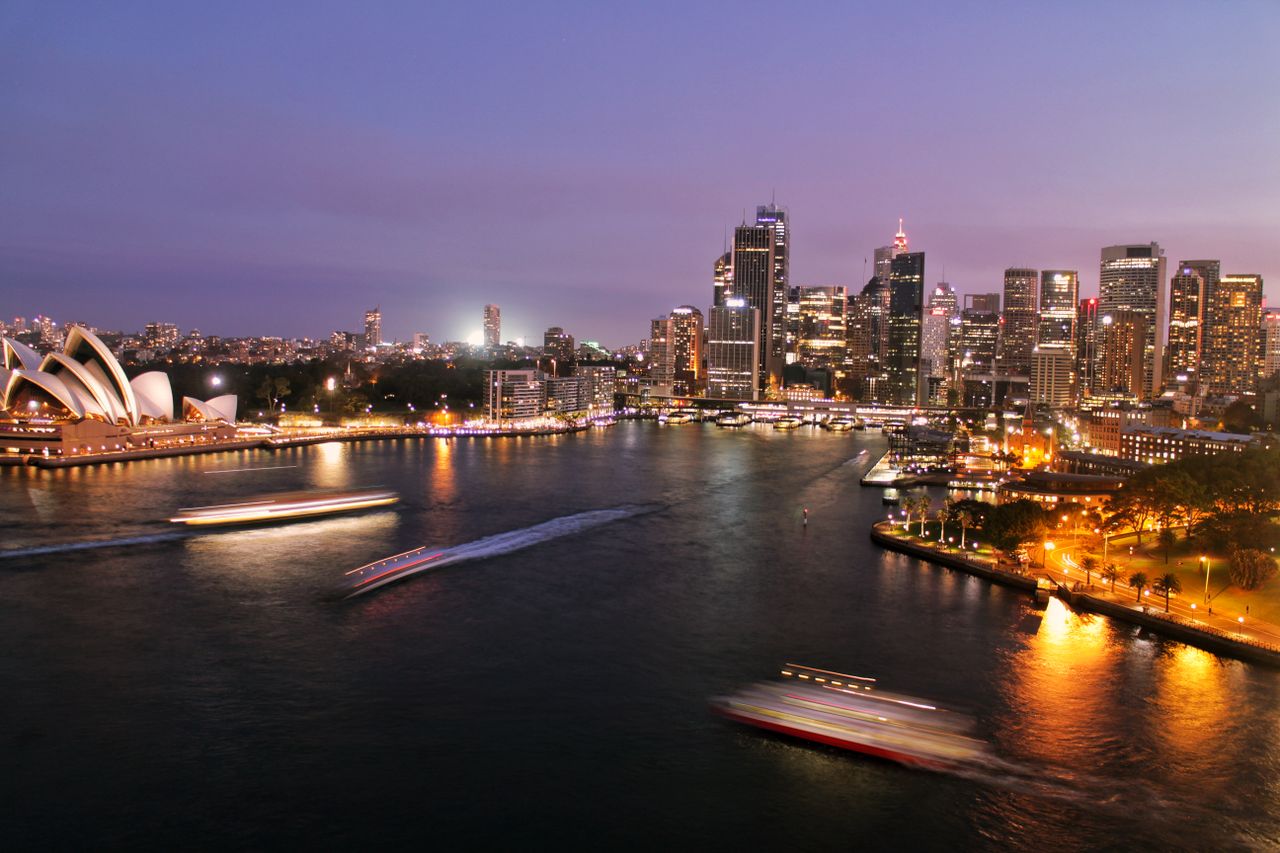
    The Australia tourist visa for Indians opens the door to one of the world’s most rewarding travel destinations. Picture this: the Sydney Opera House lit gold against a darkening harbour, kangaroos bounding through rust-red outback dust, and the Great Barrier Reef unspooling below you in fifty shades of turquoise. Australia is every kind of trip at once — city slick, nature wild, beach lazy, adventure hungry. And the good news? Getting there as an Indian traveller has never been more straightforward. The australia visa for indians — officially the Subclass 600 Tourist Visa — is applied for entirely online. No embassy queues. No stamped passport. Just a grant email and an open itinerary. This complete guide to the Australia tourist visa for Indians covers everything you need to know to apply confidently, avoid the common traps, and start planning the trip you have been putting off.

    Australia Tourist Visa for Indians — What You Need to Know

    Indian passport holders need a visa to enter Australia. The standard australia visa for indians for tourism is the Subclass 600 Visitor Visa (Tourist Stream). Unlike the Schengen visa for Indians or US visa for Indians, there is no in-person interview and no biometric appointment — the entire application is submitted online through Australia’s ImmiAccount portal, and your visa is delivered electronically, linked to your passport number.
    Visa Detail Subclass 600 — Tourist Stream
    Purpose Tourism, visiting family/friends, short leisure travel
    Validity Up to 12 months from grant date
    Stay per visit Up to 3 months (can sometimes be extended)
    Entry type Multiple entry within the 12-month window
    Fee (2026) AUD 195 (~₹11,000) — non-refundable
    Application Online via ImmiAccount
    Processing 10–30 working days on average; peak seasons longer
    Interview Not required for most applicants
    One important thing to know: Australia does not stamp your physical passport. The visa grant is stored electronically in the VEVO (Visa Entitlement Verification Online) system. Airlines and border officials check it digitally — but you should still carry a printed copy of your grant letter just in case.

    Documents Required for Australia Tourist Visa

    Australia’s Home Affairs department wants to see one thing above all else: that you are a genuine visitor who will leave when your visa expires. Your documents need to tell that story clearly and consistently.

    Identity Documents

    • Valid Indian passport — must be valid for at least 6 months beyond your intended travel dates, with at least 2 blank pages
    • Colour scan of passport bio-data page — high resolution, no shadows or cropping
    • Old passports (if any) — scan all pages to show travel history; demonstrates ties and genuine travel behaviour

    Photographs

    • Recent passport-size photograph — white background, taken within the last 6 months

    Financial Documents

    • Bank statement — last 6 months, showing consistent savings and no sudden large deposits. Aim for a minimum balance of ₹3–4 lakhs for a 2-week trip. The statement must be stamped and signed by your bank, or an official bank-generated PDF
    • ITR (Income Tax Returns) — last 2 years, showing stable income
    • Salary slips (salaried applicants) — last 3 months, on company letterhead
    • Business ownership proof (self-employed) — GST registration, company incorporation certificate, or CA letter

    Travel Documents

    • Flight itinerary — booked but not necessarily paid (a tentative booking works). Shows inbound and outbound dates
    • Hotel bookings or accommodation proof — for all nights of the intended stay. Can be cancellable bookings
    • Travel insurance — not mandatory but strongly recommended; some officers do ask for it

    Supporting Documents (Ties to India)

    • Employment letter (salaried) — on company letterhead confirming leave approval, job title, salary, and return date
    • Leave sanction letter — from your HR or manager
    • Business letter (self-employed) — stating you are the owner and will return to manage the business
    • Property documents — any owned property in India reinforces your intent to return
    • Family ties — spouse, children, parents dependent on you can be mentioned in your cover letter

    Cover Letter

    • A personal statement addressed to the Australian Department of Home Affairs explaining your travel purpose, planned itinerary, and why you will return to India. Not compulsory but adds significant weight — especially if your financial profile is borderline

    Step-by-Step Application Process & Timeline

    The australia visa for indians process is fully online. There is no VFS appointment and no biometrics required for Indian applicants applying from India.

    Step 1 — Create Your ImmiAccount

    Go to immi.homeaffairs.gov.au and create a free ImmiAccount. This is the Australian government’s immigration portal. All your applications, documents, and communication will happen here.

    Step 2 — Start a New Application

    Log into ImmiAccount → click “New application” → select “Visitor” → choose “Tourist Stream” (Subclass 600). Fill in personal details, travel history, employment, and health/character declarations.

    Step 3 — Upload All Documents

    Upload supporting documents in PDF or JPEG format. Ensure every document is clearly legible. Label files clearly (e.g., “BankStatement_6Months.pdf”) before uploading. The upload limit per file is 5MB.

    Step 4 — Pay the Visa Fee

    The fee is AUD 195 (approximately ₹11,000). Payment is by international debit/credit card directly on the ImmiAccount portal. The fee is non-refundable, even if your visa is refused.

    Step 5 — Submit & Wait

    Once submitted, you receive a Transaction Reference Number (TRN). Average processing times for Indian applicants in 2026:
    Application Type Typical Processing Time
    Straightforward, complete application 10–20 working days
    Application with gaps or queries raised 30–60 working days
    Peak season (October–December) Can stretch beyond 60 working days
    Apply at least 6–8 weeks before your travel date. Do not buy non-refundable flights before your visa is granted.

    Step 6 — Receive Your Grant by Email

    If approved, you receive a visa grant notification by email. No physical stamp — your visa details are linked to your passport in the VEVO system. Verify at border.gov.au/VEVO.

    Need help with your Australia visa application?

    Vismora’s visa experts handle the paperwork — you plan the fun.

    Common Reasons for Australia Visa Rejection (and How to Avoid Them)

    1. Insufficient Financial Proof

    This is the number one reason. If your bank balance looks thin, inconsistent, or has a sudden large deposit just before you applied, officers get suspicious. Fix: Show 6 months of statements, maintain a genuine savings pattern, and avoid parking funds in your account the week before you apply. A minimum of ₹3–4 lakhs for a 2-week trip is a reasonable benchmark.

    2. Weak Ties to India

    If officers cannot see a compelling reason for you to return — no stable job, no property, no dependants — the application looks risky. Fix: Submit your employment letter with approved leave, property documents, ITR, and a well-written cover letter that makes your ties to India explicit.

    3. Inconsistent Information

    Dates that don’t match across documents, or details in your form that contradict your passport or bank statement, are instant red flags. Fix: Cross-check every document before uploading. Names, dates of birth, and employer names must match exactly.

    4. Incomplete Application

    Missing a document or leaving a field unanswered is enough to delay or refuse your application. Fix: Upload everything in one go. If you are unsure whether a document is needed, include it — too many documents never hurts, too few often does.

    5. Previous Visa Refusals Not Declared

    Australia’s application asks about prior refusals from any country. Hiding a past US or UK refusal is a serious mistake. Fix: Always declare prior refusals honestly and provide a short explanation. Being caught hiding it is far worse than disclosing upfront.

    6. No International Travel History

    No prior international travel can flag first-time applicants as higher risk. Fix: If you have older passports with stamps, include them. A strong financial and employment profile compensates for limited travel history.

    7. Overlong Stay Requested

    Stating plans to stay 6 months on a 12-month visa raises questions. Fix: Your stated travel dates should be realistic and match your bookings and leave. Be conservative — it is better to get the visa granted and return for a second trip.

    Best Time to Visit Australia

    Season Months Best For Watch Out For
    Autumn March–May Sydney and Melbourne sightseeing, wine harvest Higher prices in March
    Winter June–August Great Barrier Reef (best visibility), Queensland beaches Cold in Melbourne and Hobart (4–12°C)
    Spring Sep–November Wildflowers in WA, Sydney Harbour, Adelaide festivals Jellyfish season begins in northern waters from October
    Summer December–February New Year’s Sydney fireworks, Great Ocean Road, Byron Bay Extreme heat outback (45°C+), bushfire risk
    Best overall time for Indian travellers: June to September. Winter in Australia is warm to mild across Queensland and the Northern Territory — perfect for Indian visitors. The Great Barrier Reef is at its best visibility, and jellyfish are not yet a concern. December and January are busy with school holidays — book accommodation 6+ months ahead.

    Top Places to Visit in Australia

    • Sydney Opera House & Harbour Bridge — Walk across the bridge at sunset for a view that justifies the flight alone.
    • Great Barrier Reef (Cairns/Whitsundays) — The world’s largest coral reef; snorkel or dive through it between June and October when visibility peaks.
    • Uluru (Ayers Rock) — The sacred red monolith in the Northern Territory turns crimson at sunrise and sunset. A deeply moving experience.
    • Melbourne’s Laneways — Street art, specialty coffee, rooftop bars, and some of the best multicultural food in the Southern Hemisphere.
    • Blue Mountains (New South Wales) — Two hours from Sydney: sandstone plateaus, eucalyptus forests, waterfalls, and the Three Sisters rock formation.
    • Daintree Rainforest (Queensland) — The world’s oldest tropical rainforest, where the trees meet the reef. Take a guided river cruise for cassowaries and crocodiles.
    • Great Ocean Road (Victoria) — A coastal drive past the Twelve Apostles limestone stacks through surf towns. Rent a car — this is not a tour-bus experience.
    • Kangaroo Island (South Australia) — Sea lions, koalas, echidnas, and kangaroos in their natural habitat. A hidden gem compared to the big cities.
    • Perth & Rottnest Island — Meet the quokka on Rottnest, just 30 minutes by ferry from Perth’s world-class beaches.
    • Hobart & MONA (Tasmania) — Australia’s most interesting museum: built underground into a sandstone cliff, full of confrontational, extraordinary art.

    What to Do & Experience in Australia

    On the water: Snorkelling the Great Barrier Reef is obvious, but equally memorable is whale watching off Sydney (June to November), kayaking through sea caves at Jervis Bay, or sailing the Whitsunday Islands — 74 islands with the powdery white Whitehaven Beach at their centre. Wildlife encounters: Hand-feed wild dolphins at Monkey Mia in Western Australia. Watch penguins parade at Phillip Island after dark. Hold a koala at a Brisbane wildlife sanctuary. Spot whale sharks off Ningaloo Reef between March and July. Food and coffee: Sydney’s Harris Park (nicknamed “Little India of Australia”) will feel like home. Melbourne has the best café culture on the planet — the flat white was arguably invented here. Make time for South Melbourne Market, Adelaide Central Market, or Sydney’s Fish Market at dawn. Outback and adventure: Drive the Red Centre Way from Alice Springs to Uluru and back via Kings Canyon. Or hot air balloon over the Hunter Valley wine region at sunrise — one of Australia’s most underrated experiences. Cultural immersion: Visit a First Nations cultural centre — Tjapukai near Cairns or Bunjilaka at the Melbourne Museum. These are genuine invitations into a 65,000-year-old living culture, and the single most underrated experience most tourists skip and regret missing.

    Why Choose Vismora for Your Australia Visa

    An australia visa for indians application involves more moving parts than most — ImmiAccount setup, document formatting, cover letter writing, financial proof structuring, and then a wait of up to 30 working days. One wrong document or inconsistency, and you face a refusal you will have to declare on every future visa application worldwide. Vismora handles the complexity so you don’t have to. Our team has processed hundreds of Australian Subclass 600 applications for Indian travellers. We know exactly what the Department of Home Affairs looks for and what causes refusals. We review your profile before you apply, flag any gaps, and guide you through every step — from ImmiAccount creation to grant confirmation.

    Ready to apply for your Australia visa?

    Talk to a Vismora visa expert today. We handle the paperwork — you plan the trip.

    🌐 Apply or ask a question: vismora.com/auth/signup

    Are You a travellers or OTA? Partner with Vismora

    If you are a travellers, tour operator, or OTA looking for a reliable visa visa processing partner, Vismora is built for you. We handle Australia Subclass 600 applications and 30+ other country visas on behalf of you — at scale, with accuracy, so you can focus on selling great holiday packages.

    📞 Speak to our partnership team: +91 81780 55012

    🌐 Start a partnership enquiry: vismora.com/auth/signup

    Frequently Asked Questions

    How long does the Australia tourist visa take for Indians in 2026?

    The average processing time for the Subclass 600 tourist visa is 10–30 working days. During peak periods (October to December) it can stretch to 45–60 working days. Apply at least 6–8 weeks before your travel date.

    Is there an interview for the Australia tourist visa?

    No. The Subclass 600 visa does not require an in-person interview or biometric appointment for Indian applicants. The entire process is completed online through ImmiAccount.

    What is the Australia tourist visa fee for Indians?

    The visa fee is AUD 195 (~₹11,000 at current rates). This fee is non-refundable even if your application is refused. Pay only through the official ImmiAccount portal.

    Can I extend my Australia tourist visa from inside Australia?

    In limited circumstances, yes. You can apply for a visa extension before your current visa expires. However, extensions are not guaranteed and it is not advisable to travel assuming you can extend once there.

    What bank balance do I need for an Australia tourist visa?

    There is no officially stated minimum, but a practical benchmark is ₹1.5–2 lakhs per week of travel, with a minimum of ₹3–4 lakhs showing consistently across 6 months of statements. Consistent savings patterns carry more weight than a large recent lump-sum deposit.

    Do I need travel insurance for the Australia tourist visa?

    Not officially mandatory, but strongly recommended. A single night in an Australian hospital can cost AUD 2,000 or more. Comprehensive medical travel insurance is essential and can only help your application.

    Does a prior visa refusal from another country affect my Australia visa?

    A prior refusal from the US, UK, or elsewhere does not automatically bar you from getting an Australian visa. But you must declare all prior refusals honestly in your application. Hiding one and being caught is treated as a character issue — far worse than the original refusal.

    Related Australia Tourist Guides

  • Hello world!

    Welcome to WordPress. This is your first post. Edit or delete it, then start writing!